Destinations
OSLO DOESN’T END AT THE FJORD
October 2026

October 2026
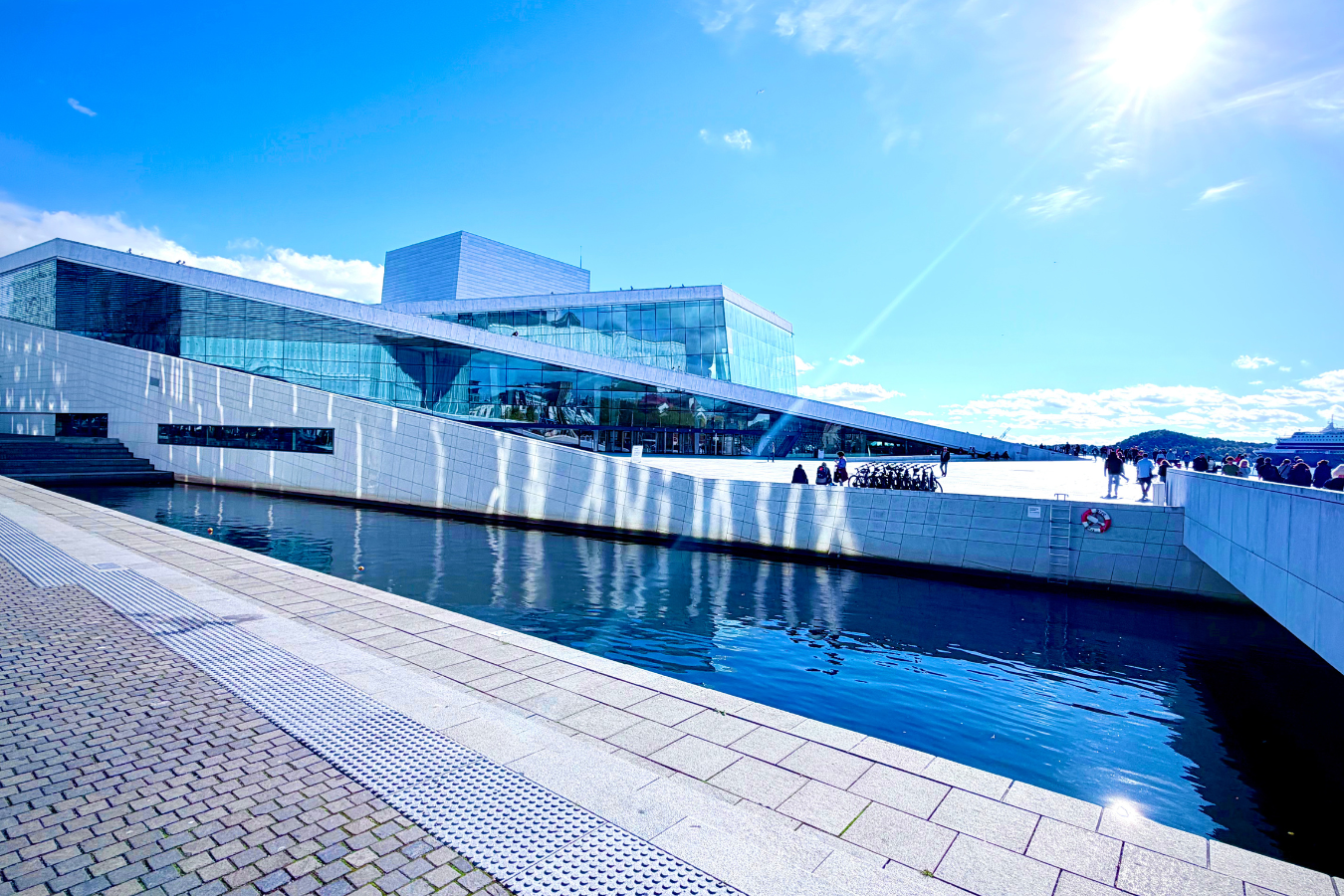
Some of Edvard Munch’s paintings were too large for the doors of Oslo’s new MUNCH museum. They had to be lifted through an opening in the wall. Across the water, the Opera House has a roof anyone can walk on. These are two striking ways to make space for art. They are also the buildings most visitors see first. Oslo gets more interesting when you ask what stood beyond the frame before they arrived.
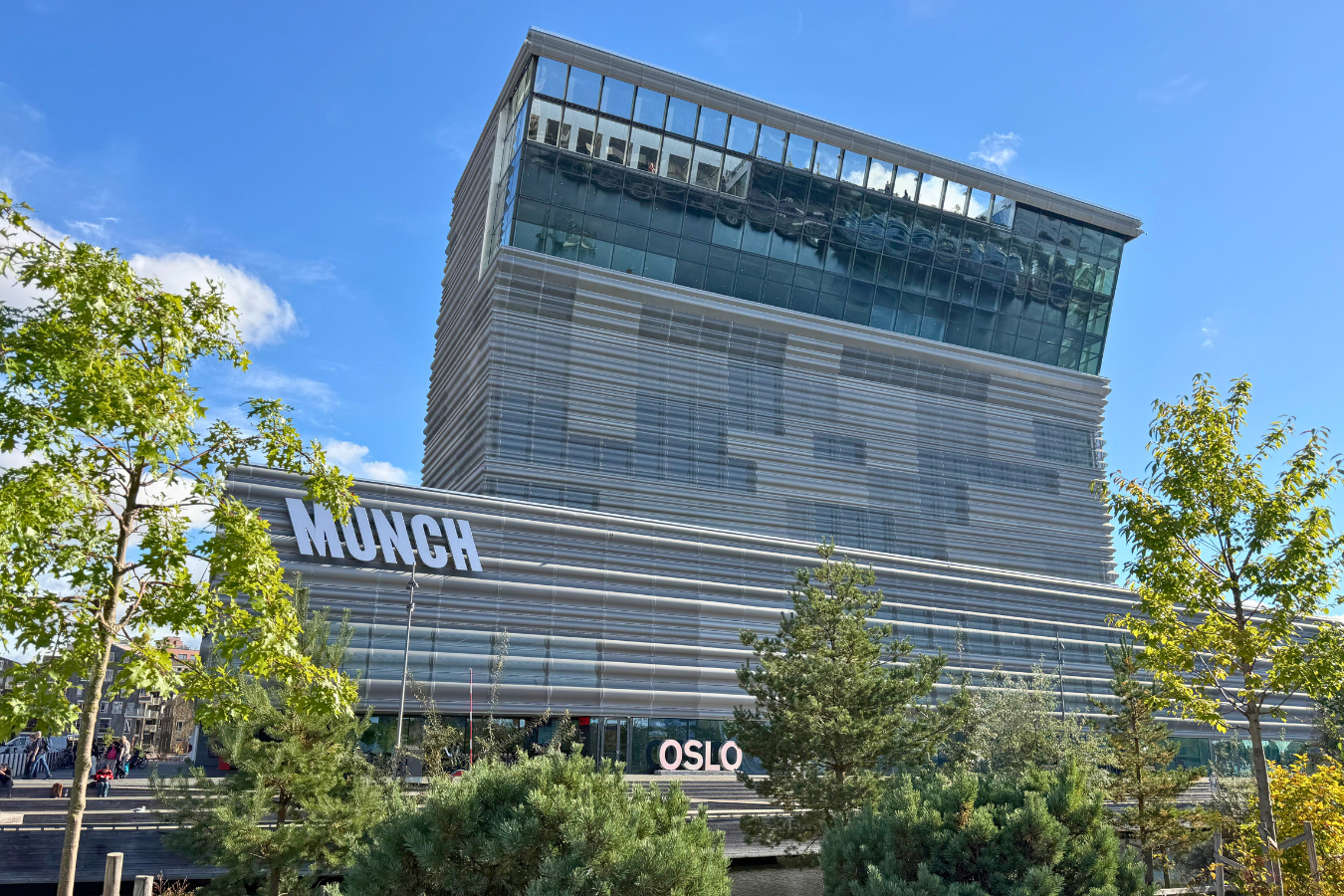
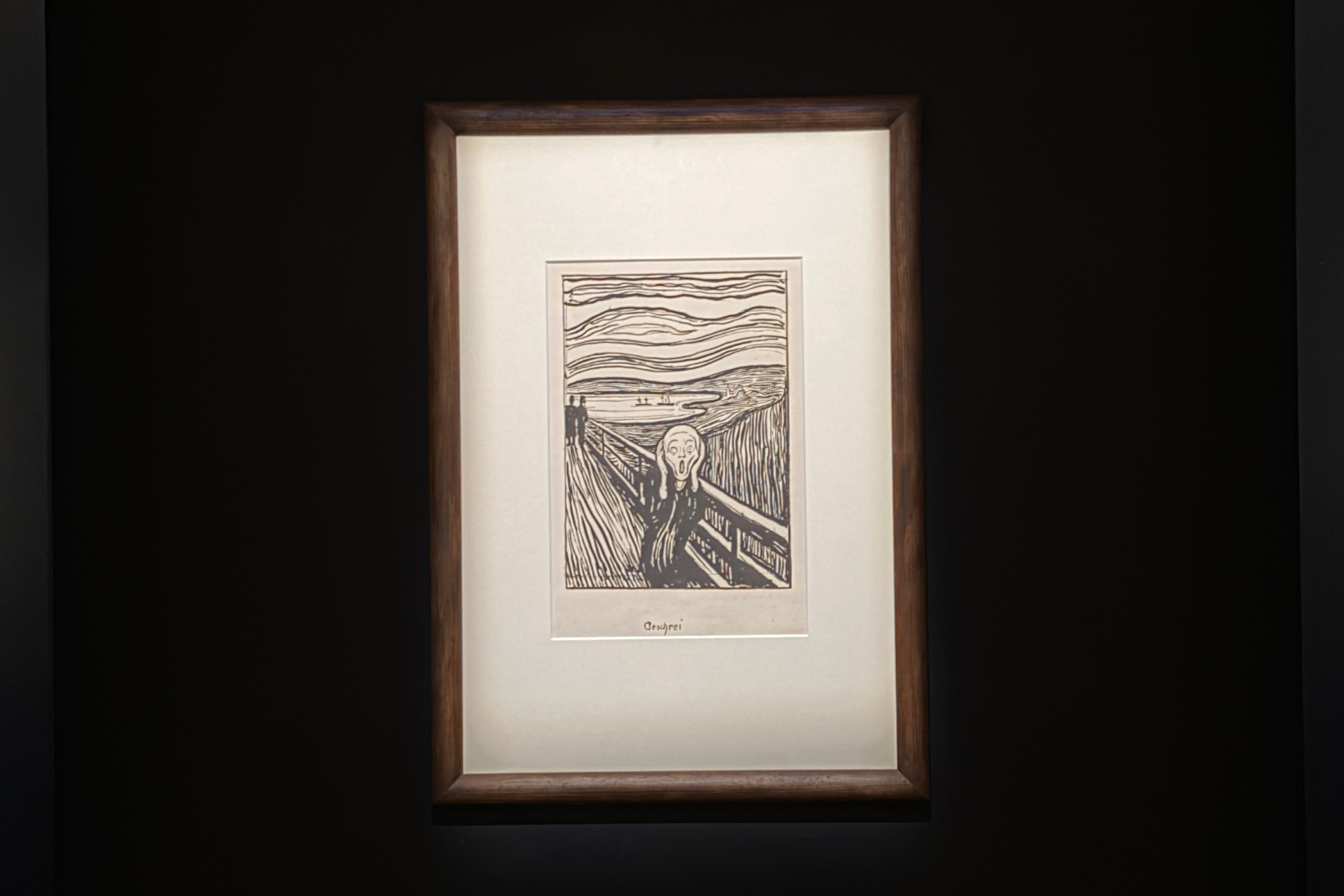
The museum holds more than 26,000 works by Munch, a collection large enough to complicate the familiar story of one artist and one painting. Its thirteen floors also host contemporary exhibitions and performances. The vast canvases are worth seeking out. Their size is difficult to grasp until you stand in front of them; getting them into the building required a solution as bold as the building itself.
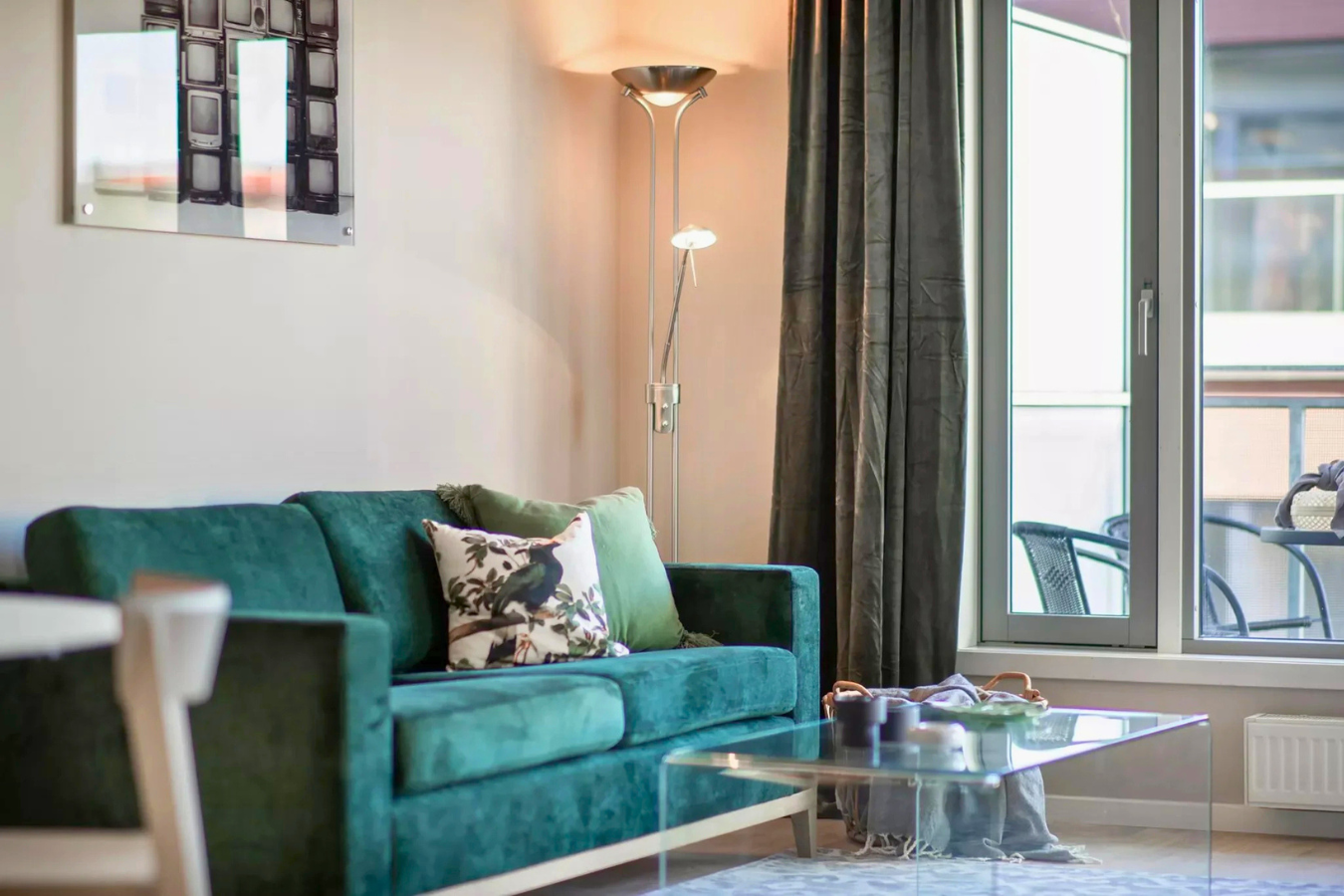
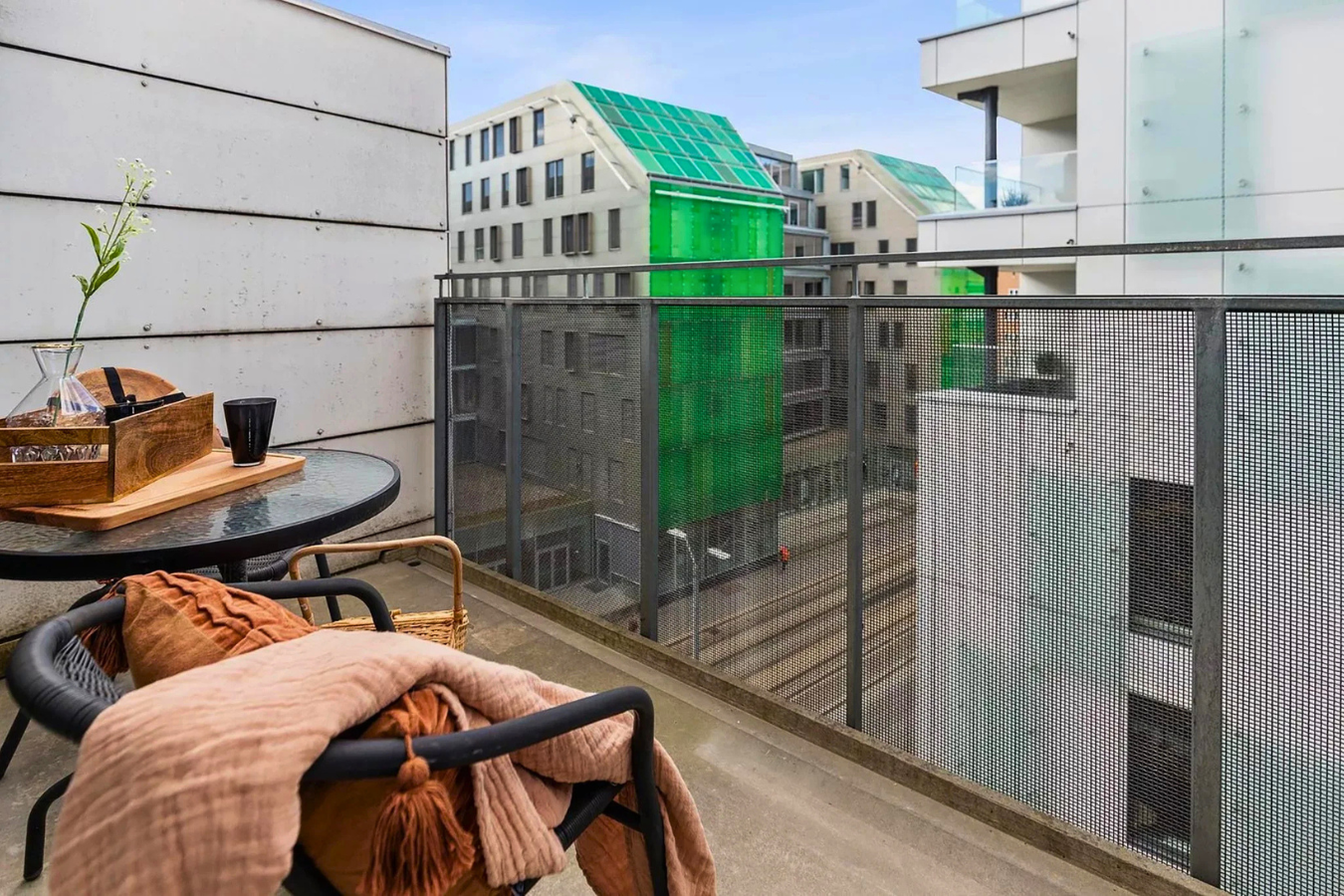
From MUNCH, the Opera House is close enough to visit without making an occasion of it. Snøhetta designed its sloping roof as public space, so you can walk up even if you have no ticket for the stage inside. Both buildings reward a second visit. Bjørvika Apartments has properties in several Oslo locations, including the Opera Area. An apartment there has a kitchen and living room, useful if you want to return to the museum after a break.
MUNCH’s move to the waterfront was debated. The collection had previously lived in Tøyen, east of the centre, and a new home in Bjørvika changed the map of the city’s cultural life. It also changed which neighbourhood could claim Munch as a neighbour. That matters in a city with a long divide between its wealthier west and its historically working-class east.
Akerselva gives that history a physical route. Follow it towards Grünerløkka and old factory buildings appear along the river. Mathallen food hall and Blå, a venue by the water, now draw people to the same stretch. The factories are easy to admire as architecture, but they also explain the work that once shaped Oslo’s east. A 2016 local guide described the river as an east–west boundary. Its old tips are dated; the buildings make the history plain without a guide at all.
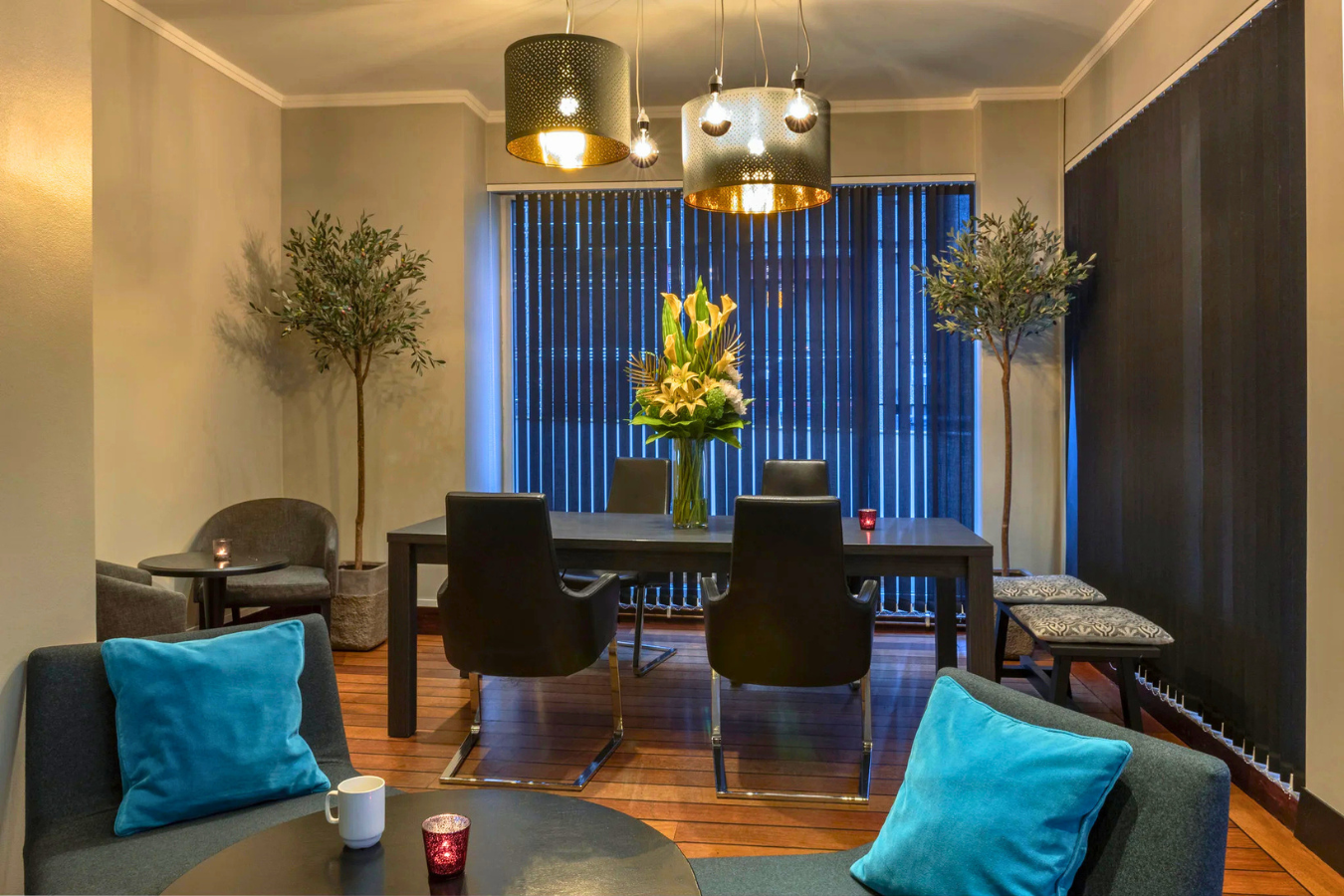
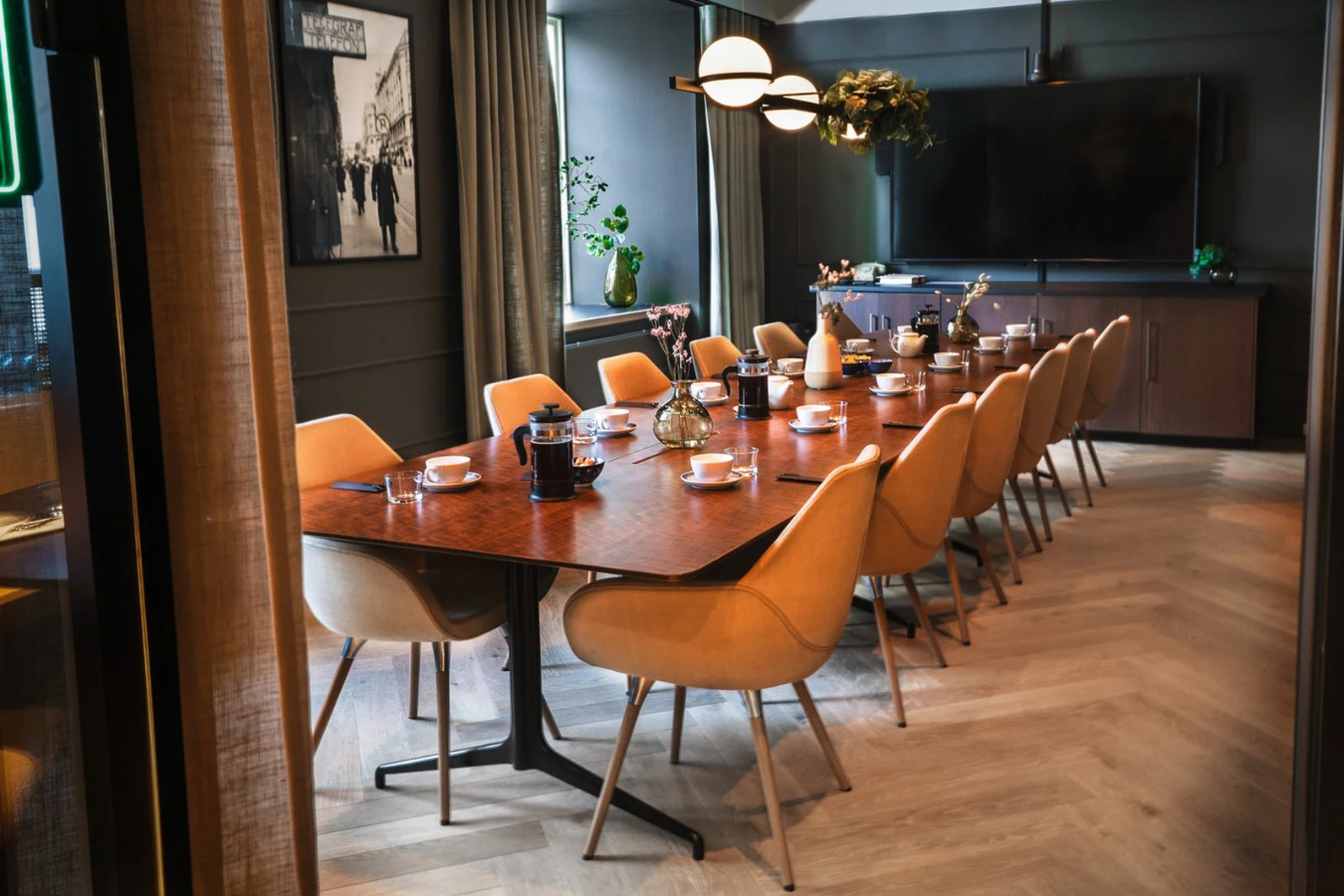
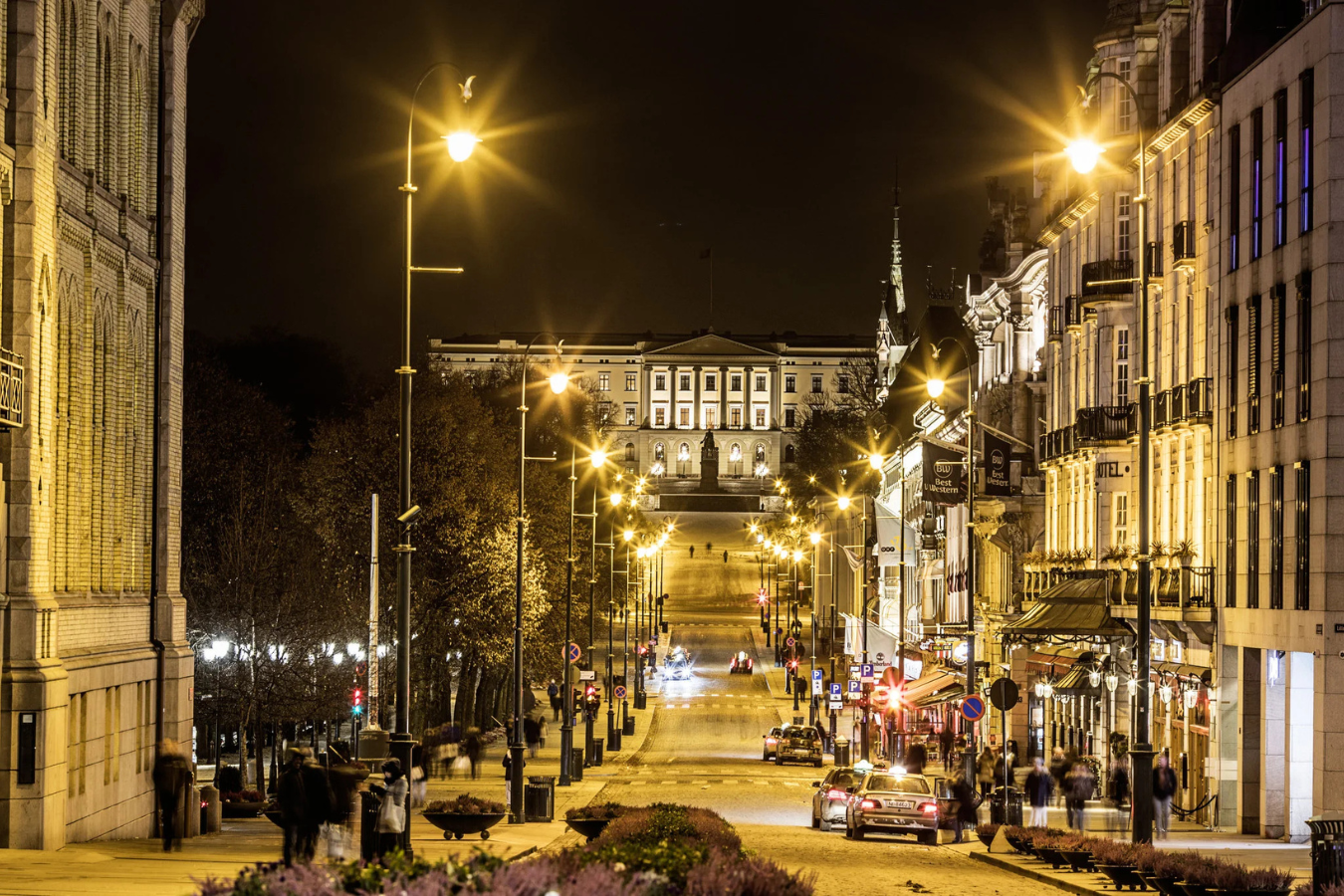
First Hotel Millennium sits at Tollbugata 25 in Kvadraturen. This is the gridded centre laid out after the fire of 1624, close to Akershus Fortress and within reach of the new waterfront. Its streets offer another scale of Oslo: individual blocks and addresses rather than buildings that fill the skyline. They are worth time on either side of a museum visit.
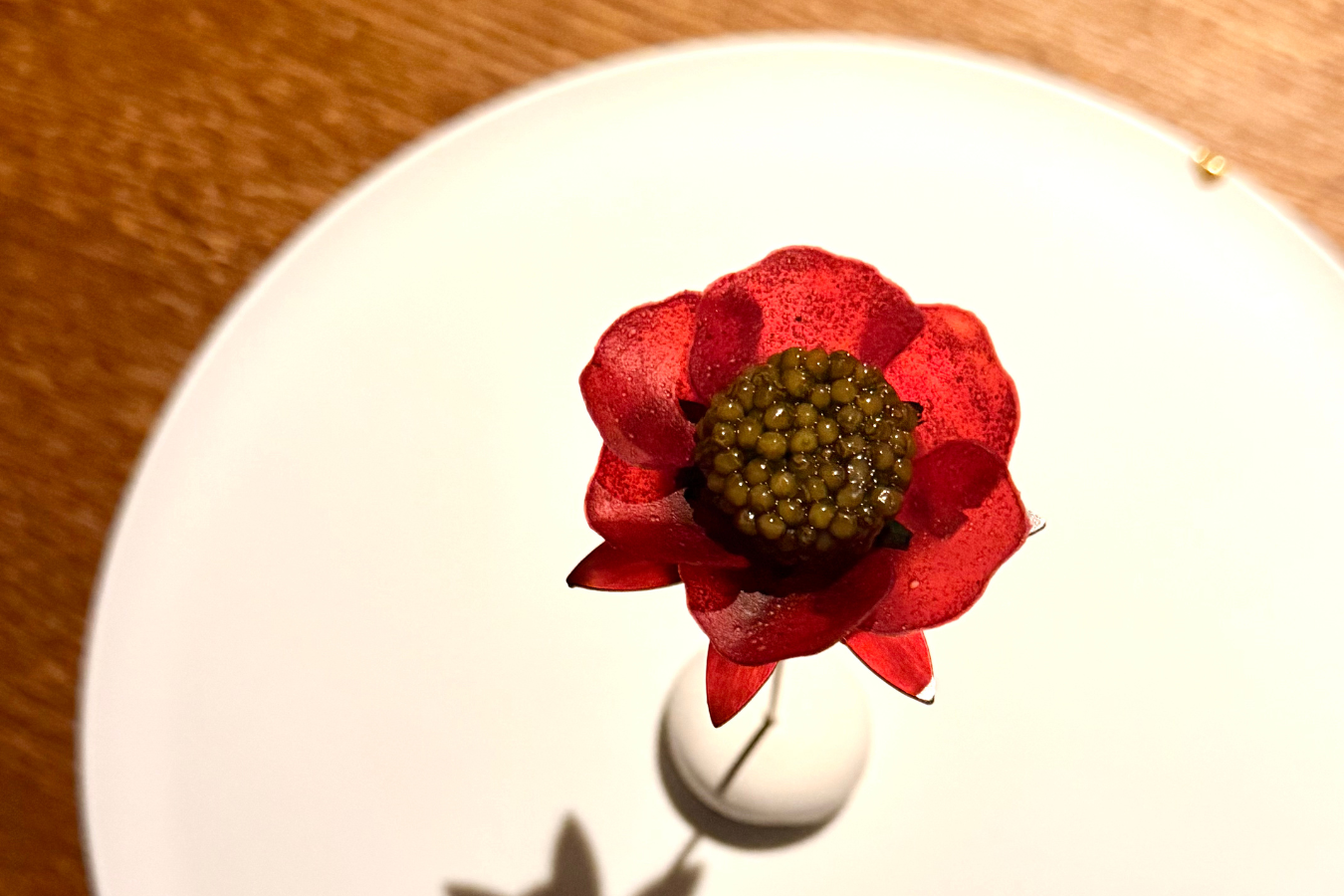
Savage restaurant is nearby on Nedre Slottsgate. Its long tasting menus draw on flavours from well beyond Norway and give dinner the full evening. The restaurant makes a better case for Oslo’s food scene than any claim that the city cooks in one particular style. Afterwards, the walk back to Tollbugata takes you through streets you may have passed without noticing in daylight.
The new waterfront is reason enough to put Oslo on a travel list. Still, MUNCH’s most telling detail may be that opening made for the oversized paintings. A city willing to alter its walls for art is worth a closer look. Follow the river and the older streets, and you can see what those new walls were built beside. The surprise is how much of Oslo’s past remains in sight of its future.


