Spotlight
Who Gets to Hang on Mollie’s Manchester’s Walls?
November 2026

November 2026
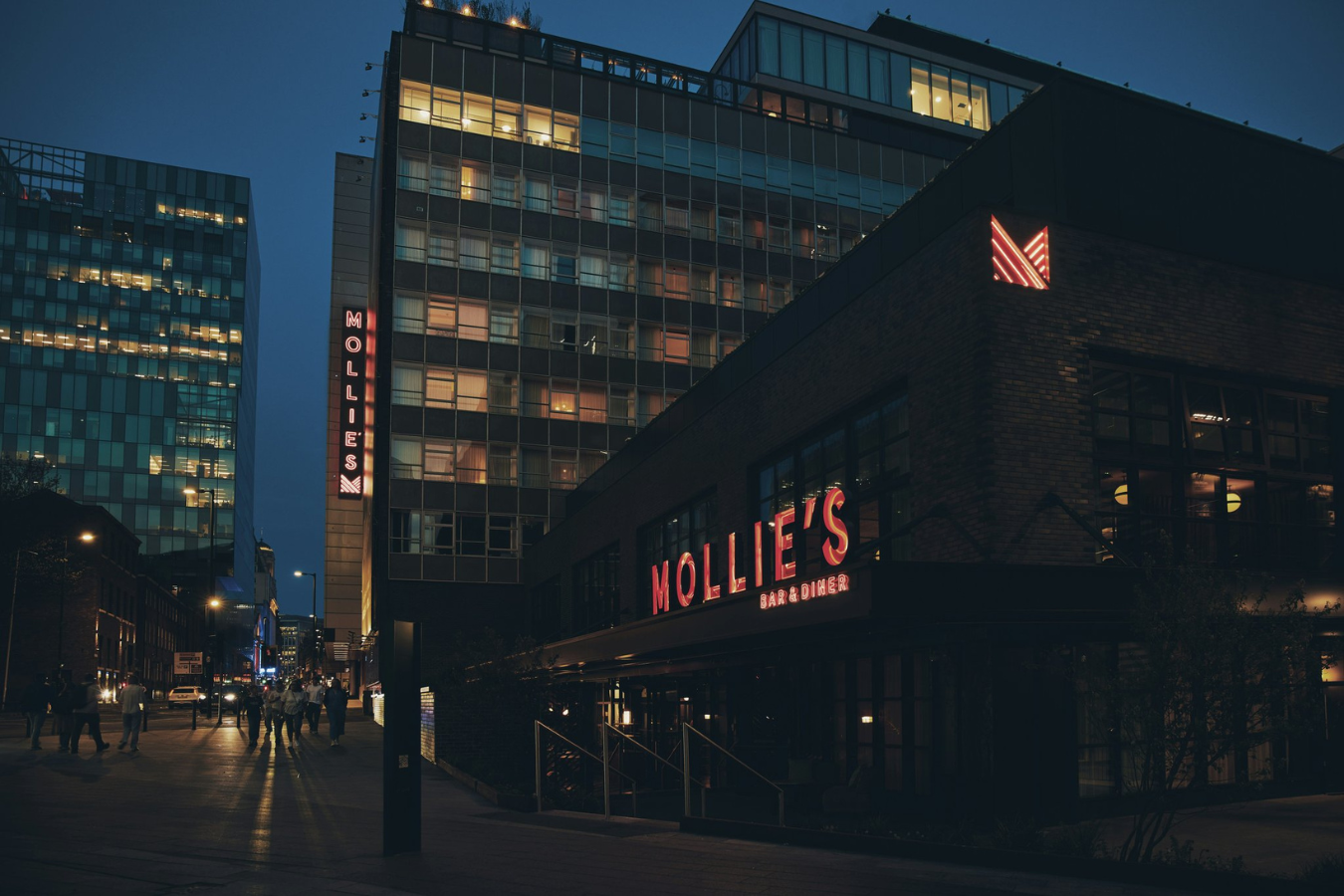
A blue plaque usually tells passers-by that someone important lived here. Horace Lindezey’s ceramic plaques commemorate people who have mattered in his own life. Several hang in the lounge at Mollie’s Manchester, inside the former Granada Studios building. Their presence raises a question for a hotel introducing the city to visitors: whose memories of Manchester belong on its walls?
From the North, curated by Gemma Rolls-Bentley, takes its title from Granada’s television tagline. More than 40 artists feature. Their northern connections include childhood, education and working lives. Some still work in Manchester; others have taken those experiences elsewhere. The collection includes internationally recognised artists alongside people whose work a visitor might encounter here for the first time.
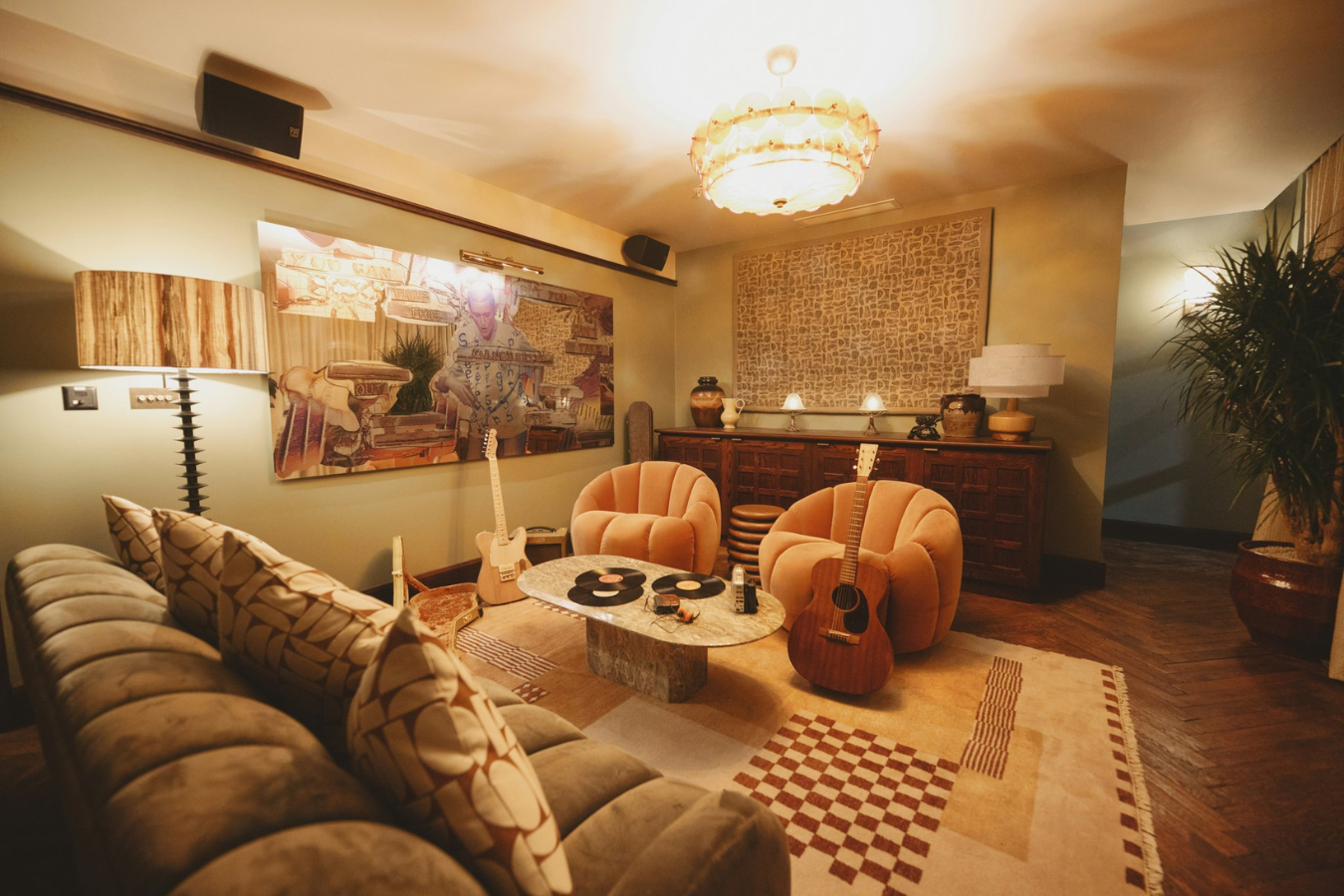
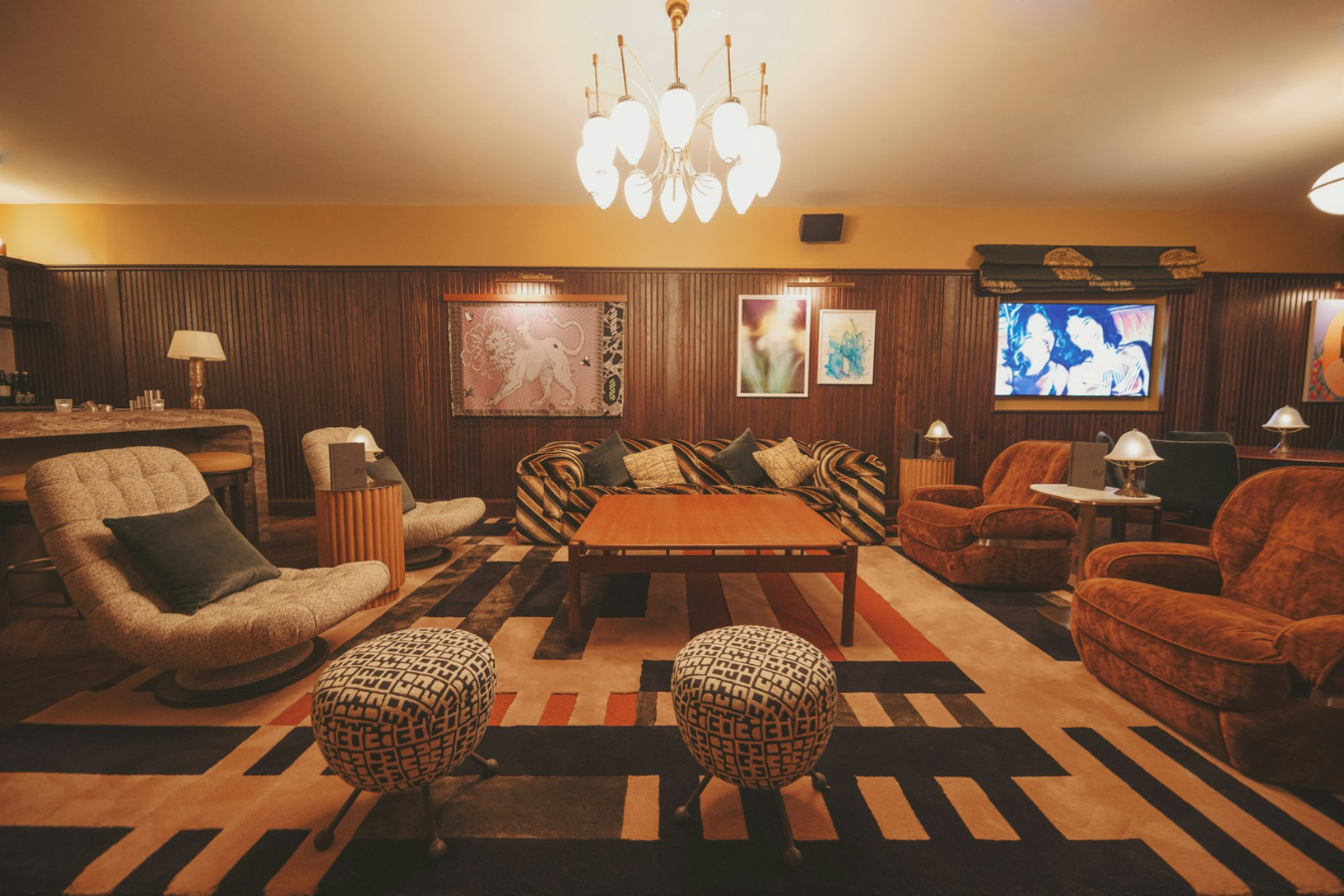
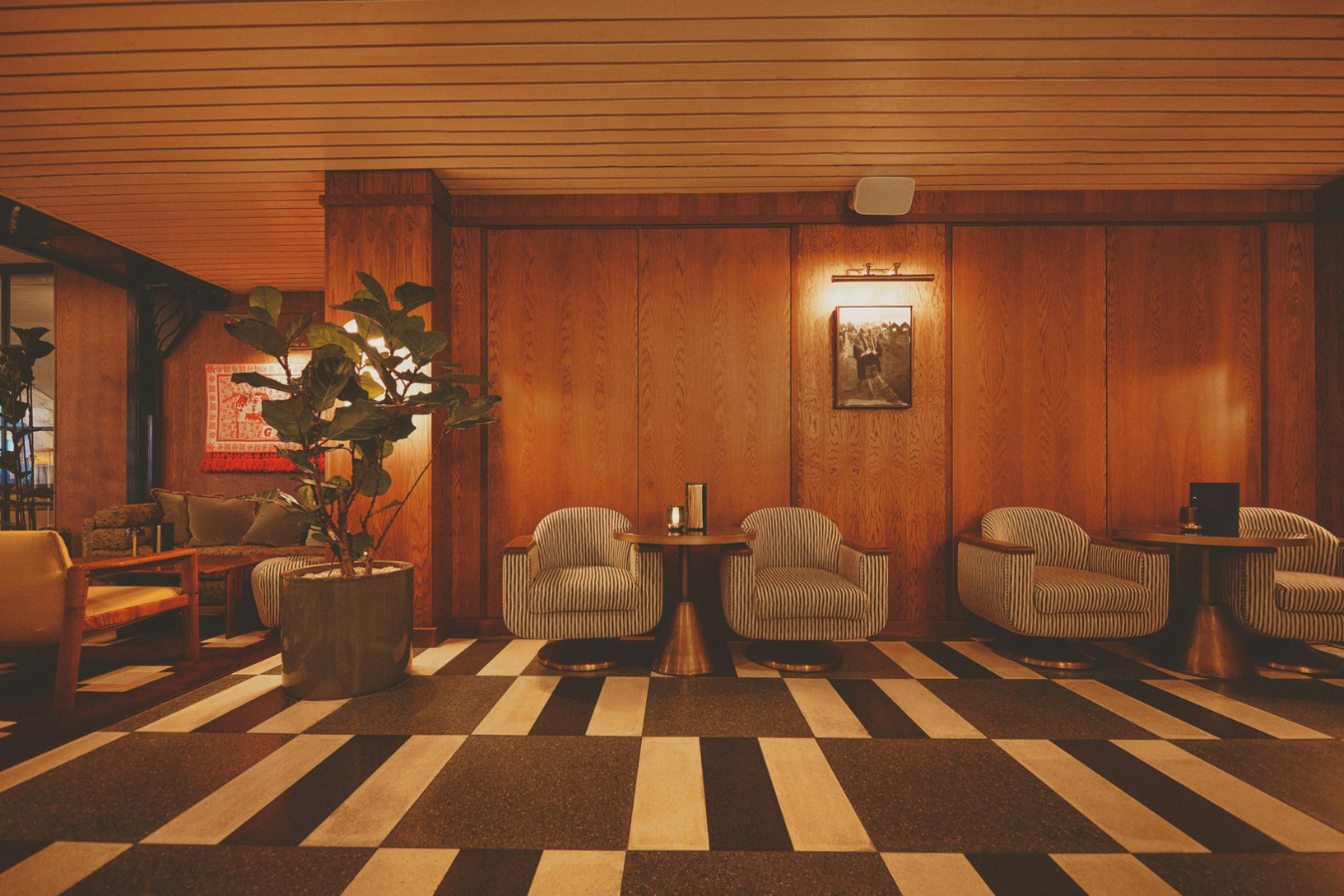
Rolls-Bentley combined commissions with existing works, finding emerging artists through Manchester Art Fair and her research into the city’s art scene. Established names include Lubaina Himid and Louise Giovanelli. Work by nine artists from Venture Arts, the Manchester organisation supporting learning disabled and neurodivergent artists, appears throughout the hotel on permanent public display.
Rolls-Bentley has spoken directly about the historical neglect of learning-disabled artists when discussing these acquisitions. Including nine gives their work a substantial role in the collection. Visitors can encounter several different practices across the building, rather than a single artist asked to represent an entire group.
Lindezey works in ceramics and textiles, drawing on memories of growing up in Hulme and Moss Side and on his mother’s work as a seamstress. His blue plaques commemorate personal figures alongside famous ones. Family memories receive the same treatment as public achievements. In a building whose former occupants helped decide who appeared on television, his individual choices of whom to commemorate feel particularly well placed.
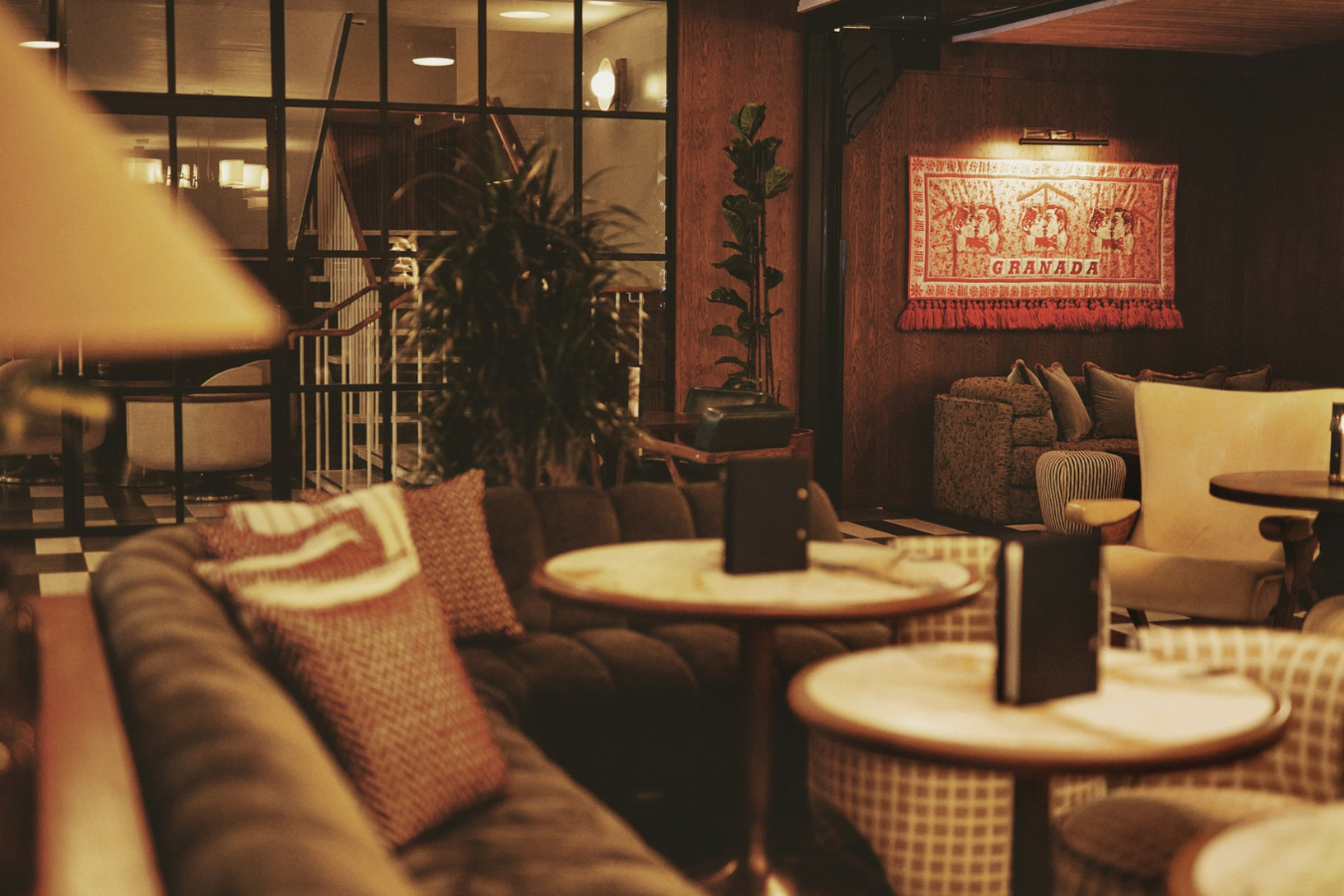
Sarah Joy Ford’s commissioned The Kiss Quilt addresses the building’s history directly. Its red-and-white palette recalls Granada’s neon sign. The original GRANADA logo accompanies an image of an interracial kiss broadcast on ITV in June 1962. The quilt hangs in the lounge, where guests can examine an image originally made to be watched on a screen.
Ford’s work often involves researching queer histories and translating archival material into quilts. Her commission brings that interest in preserving images and stories to Granada’s own archive. The company logo identifies the broadcaster; the kiss gives visitors something more specific to consider about what it broadcast.
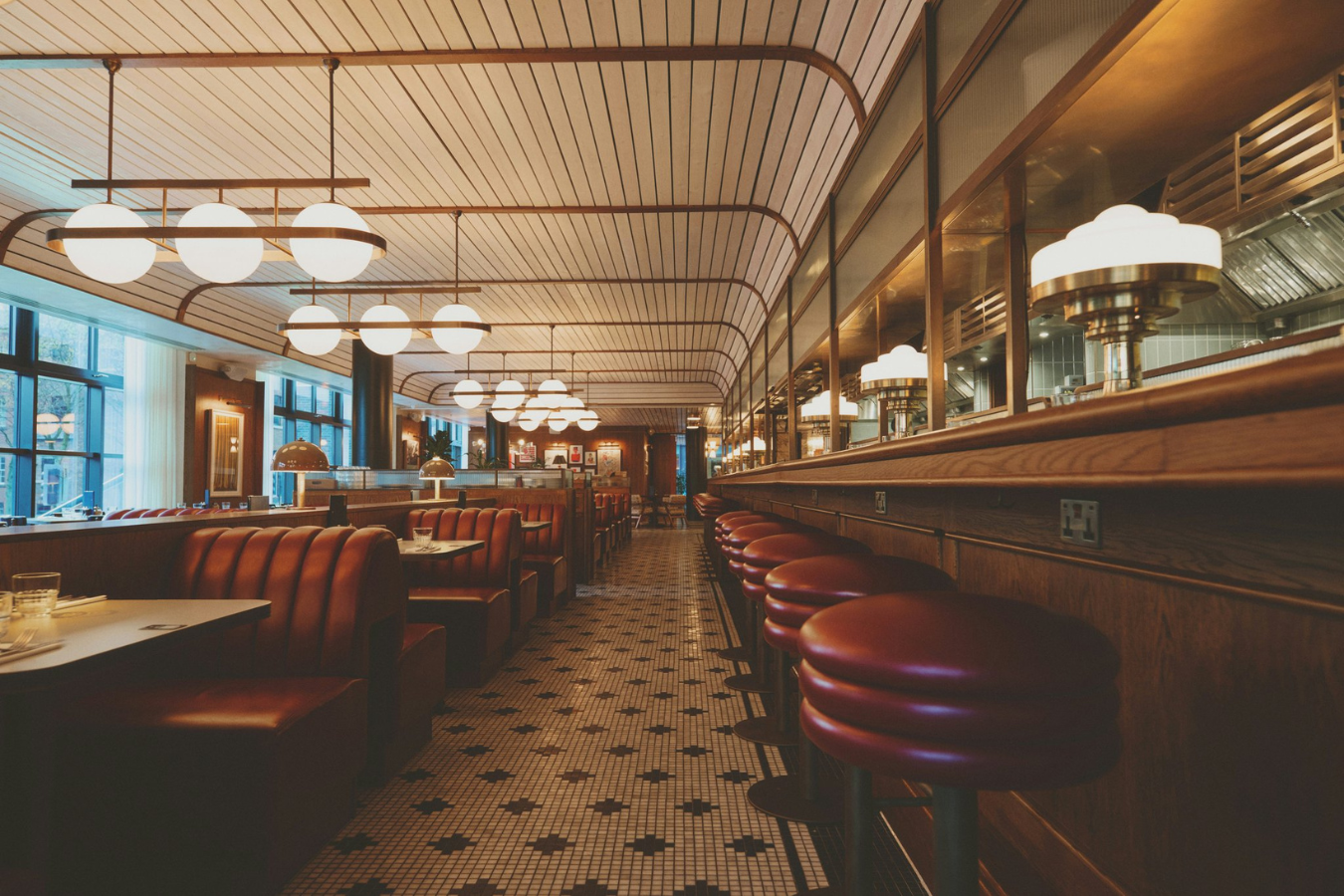
There are other ways of acquiring a public presence. In the diner hangs Charity Kase’s pencil-and-graphite portrait of Manchester drag performer Cheddar Gorgeous. The work records an artistic relationship within the city’s drag scene, giving a performer space in a collection that also includes television imagery and personal commemorations.
The diner is an everyday setting for that encounter. Someone coming in for a meal can discover a portrait, then learn why its maker chose the subject. The collection’s online guide identifies the works by room and explains their backgrounds, allowing an initially unfamiliar face to become a reason to read further.
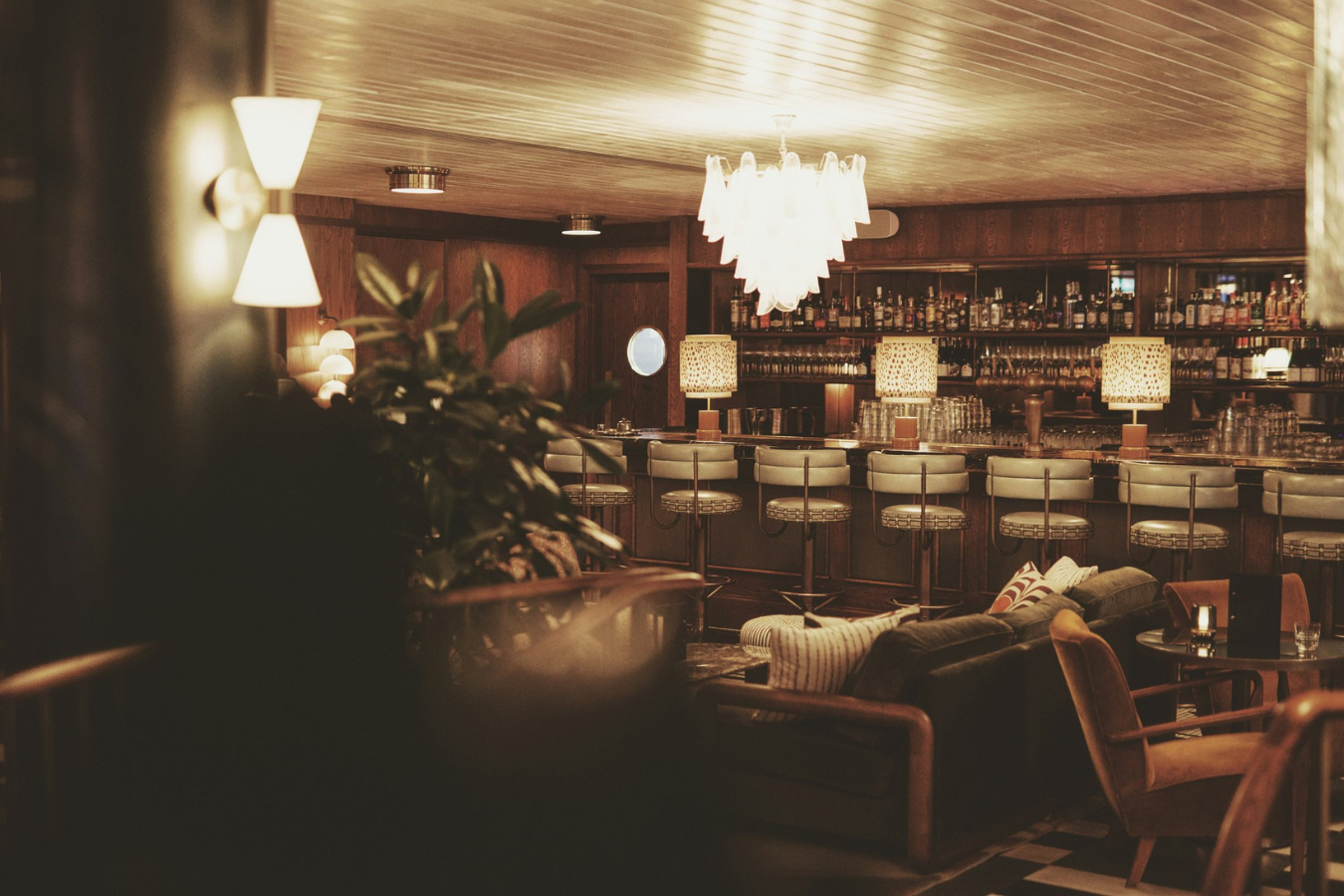
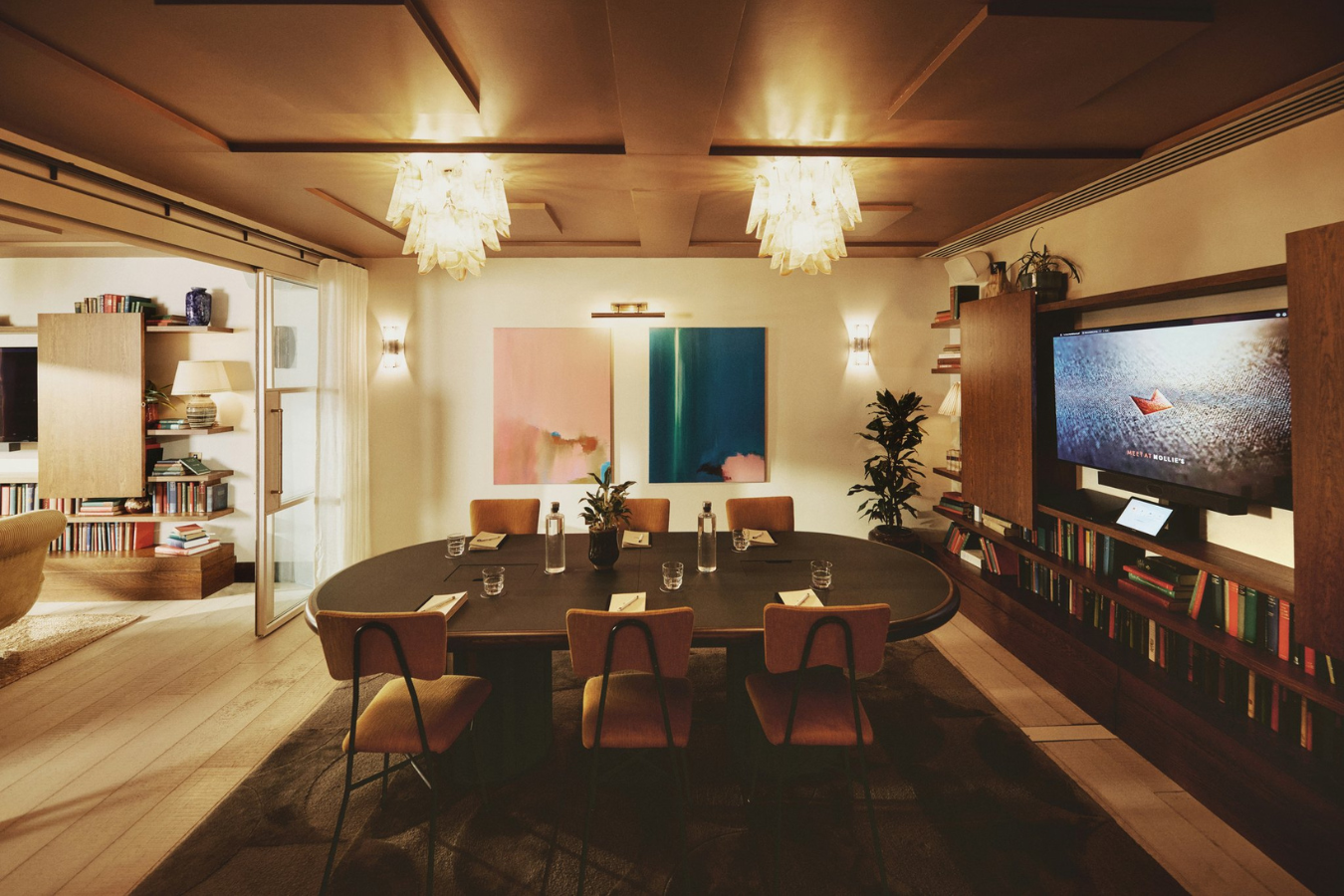
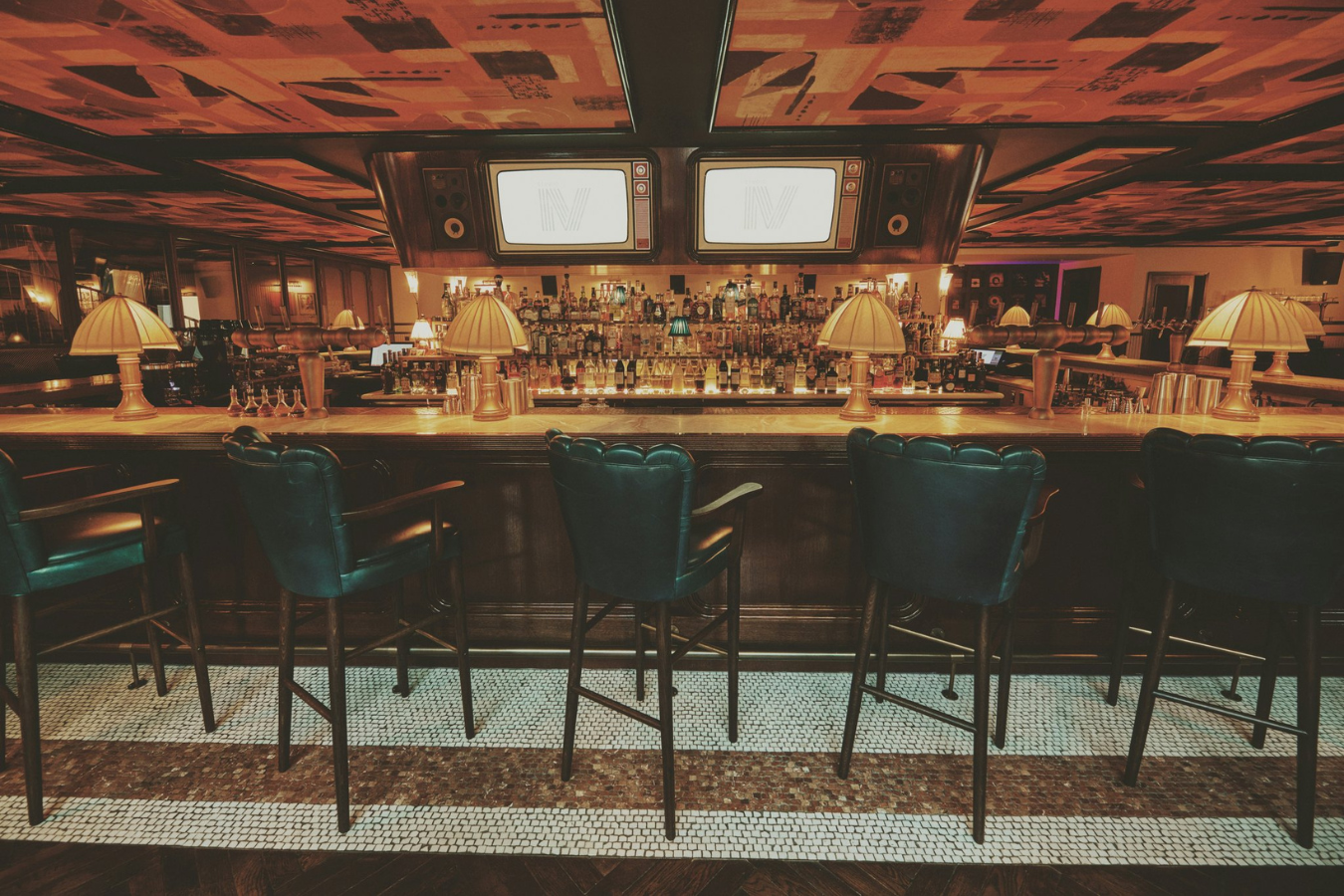
Studio IV introduces nightly live music from 9 November. Its published programme includes the Jordan Ashton Duo on 10 November and Martin Connor & The Soul Apostles on 13 November. For visitors arriving ahead of Christmas, performances continue the building’s association with music while the collection offers a more individual account of its cultural life.
The story behind Kase’s portrait is especially personal. He first encountered Cheddar’s performances at 16 and has described her as a source of validation and creative inspiration. Years later, he drew the performer who had influenced him. Visitors now meet her through the work of someone who once sat in her audience.