Travel ideas
A Prison, a Studio, a Bank: Four Hotels With Past Lives
October 2026

October 2026
A prison chapel is now a restaurant. Former cells are bedrooms. Manchester’s Granada Studios has become a place to check in, while an Antwerp palace that later became a bank now offers suites named after banking families. These buildings had lives long before anyone arrived with a suitcase, and traces of those lives remain in the rooms, names and details guests encounter today. The appeal is part history lesson, part architectural curiosity: each hotel lets you stay inside a building whose original purpose was something else entirely.
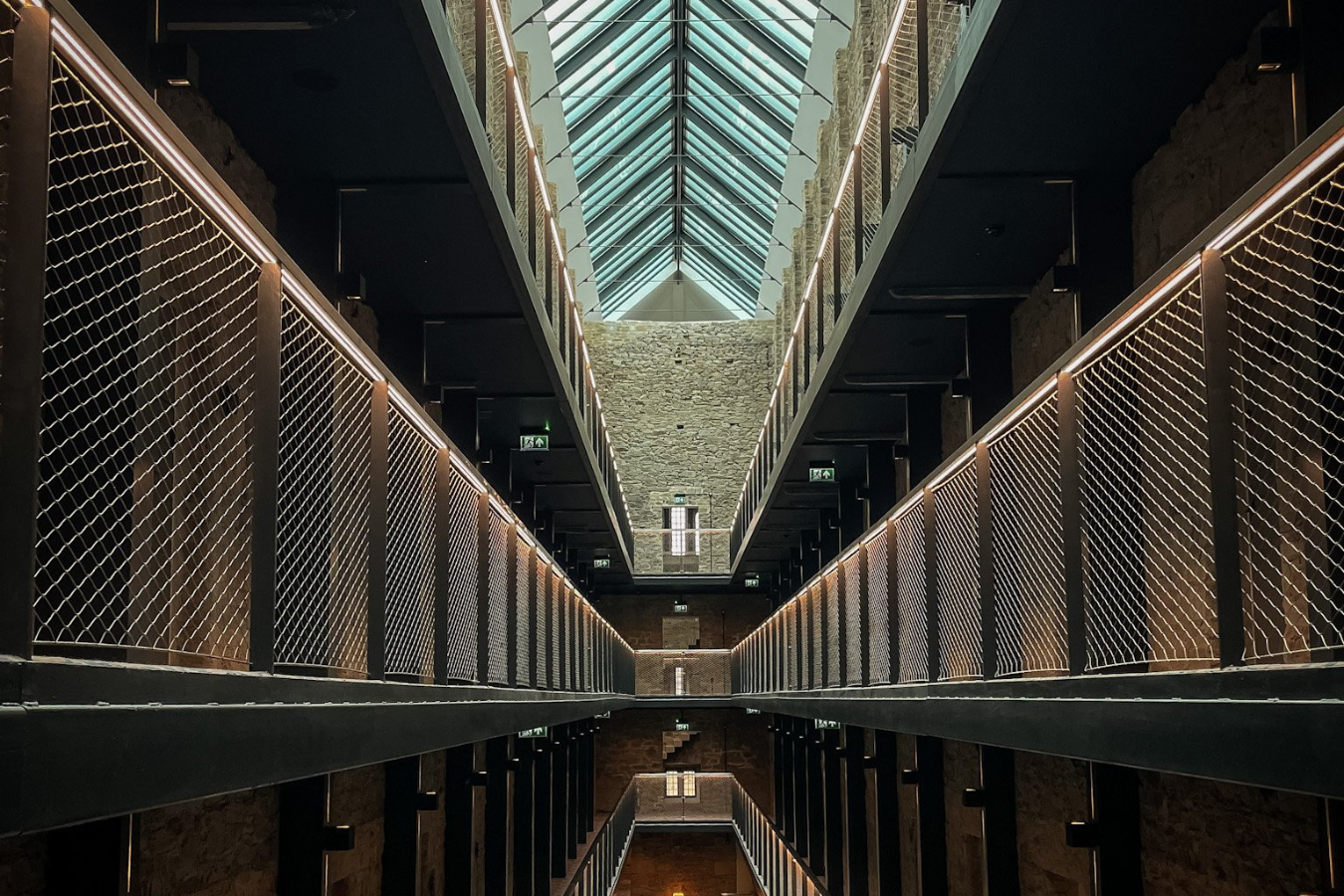
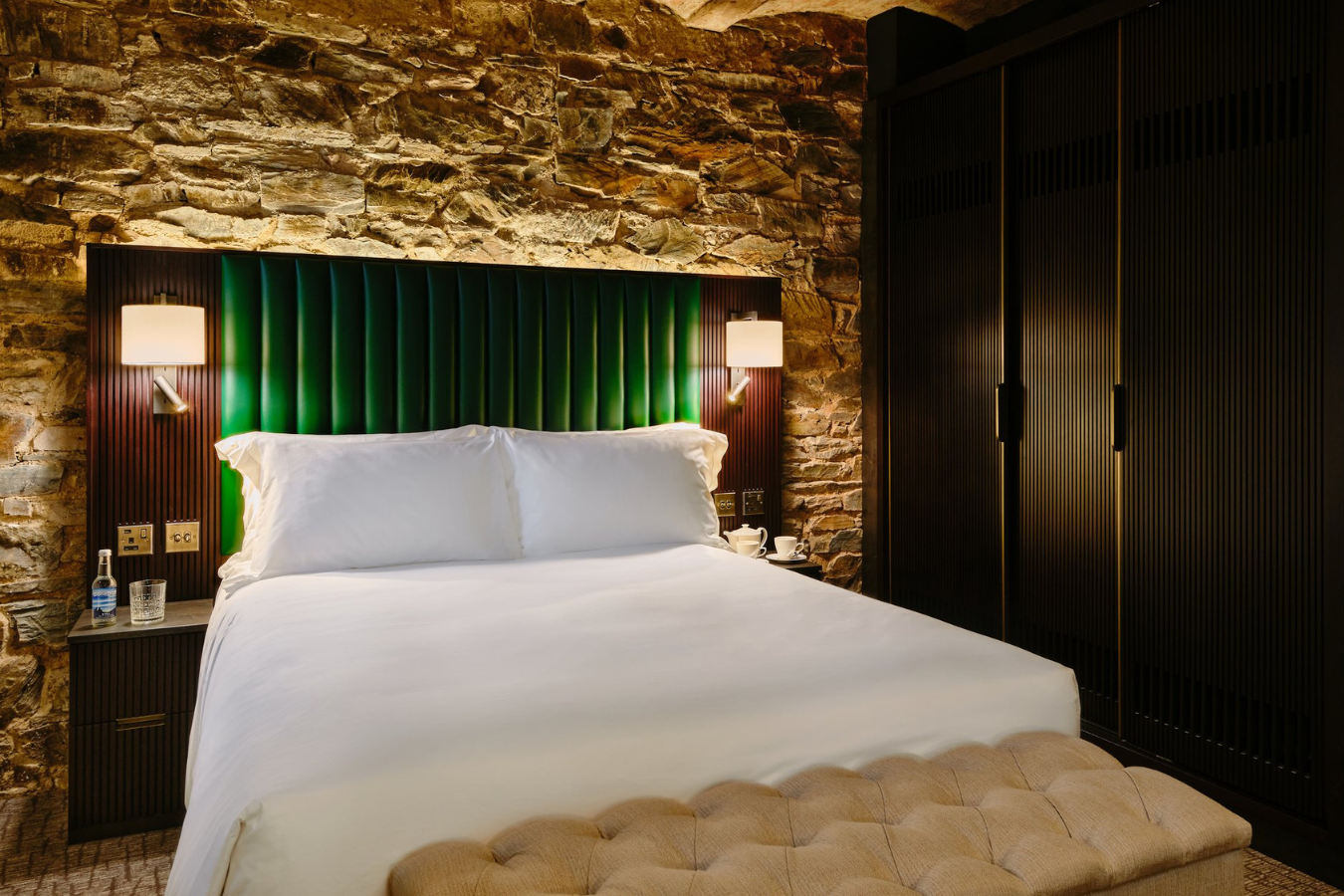
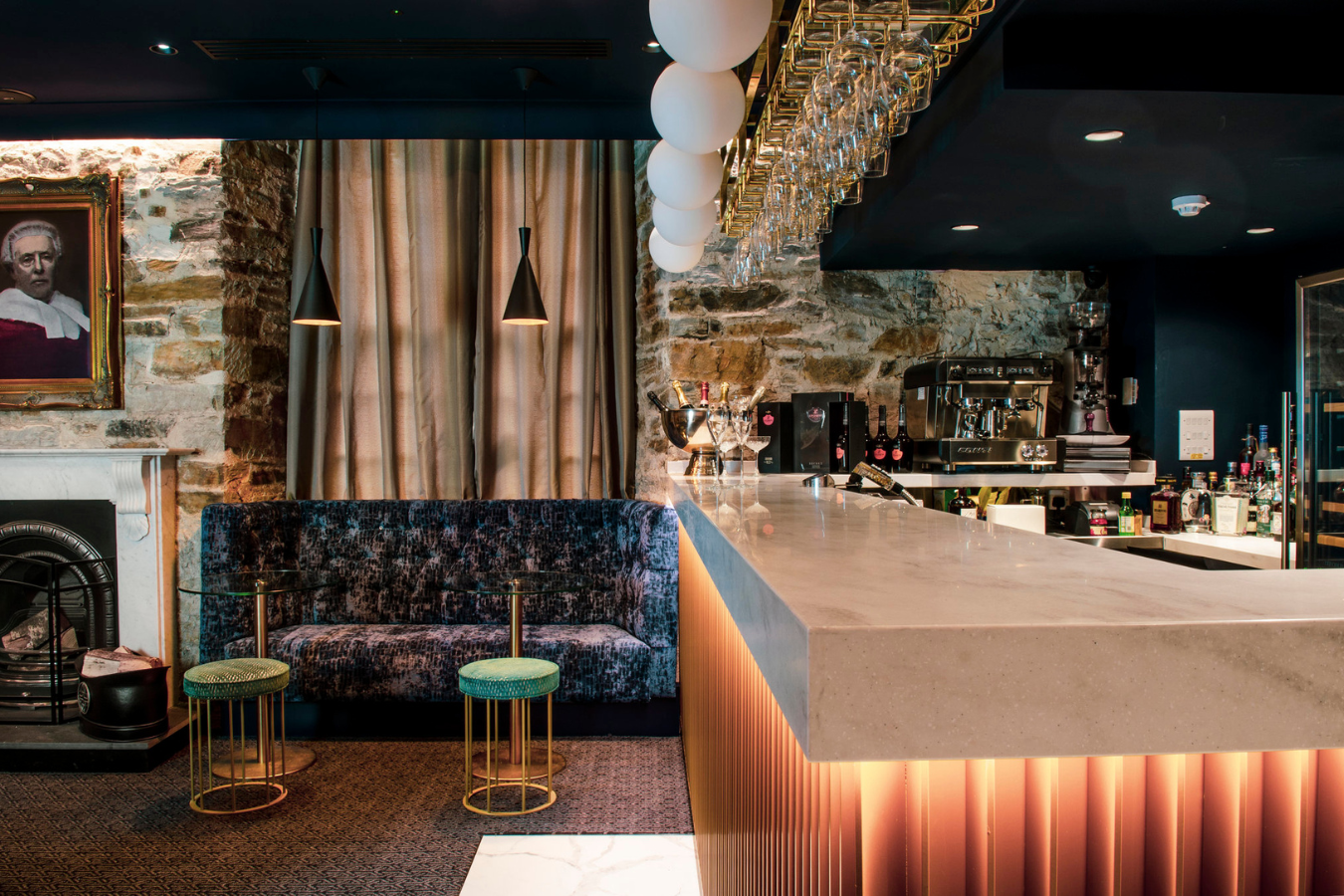
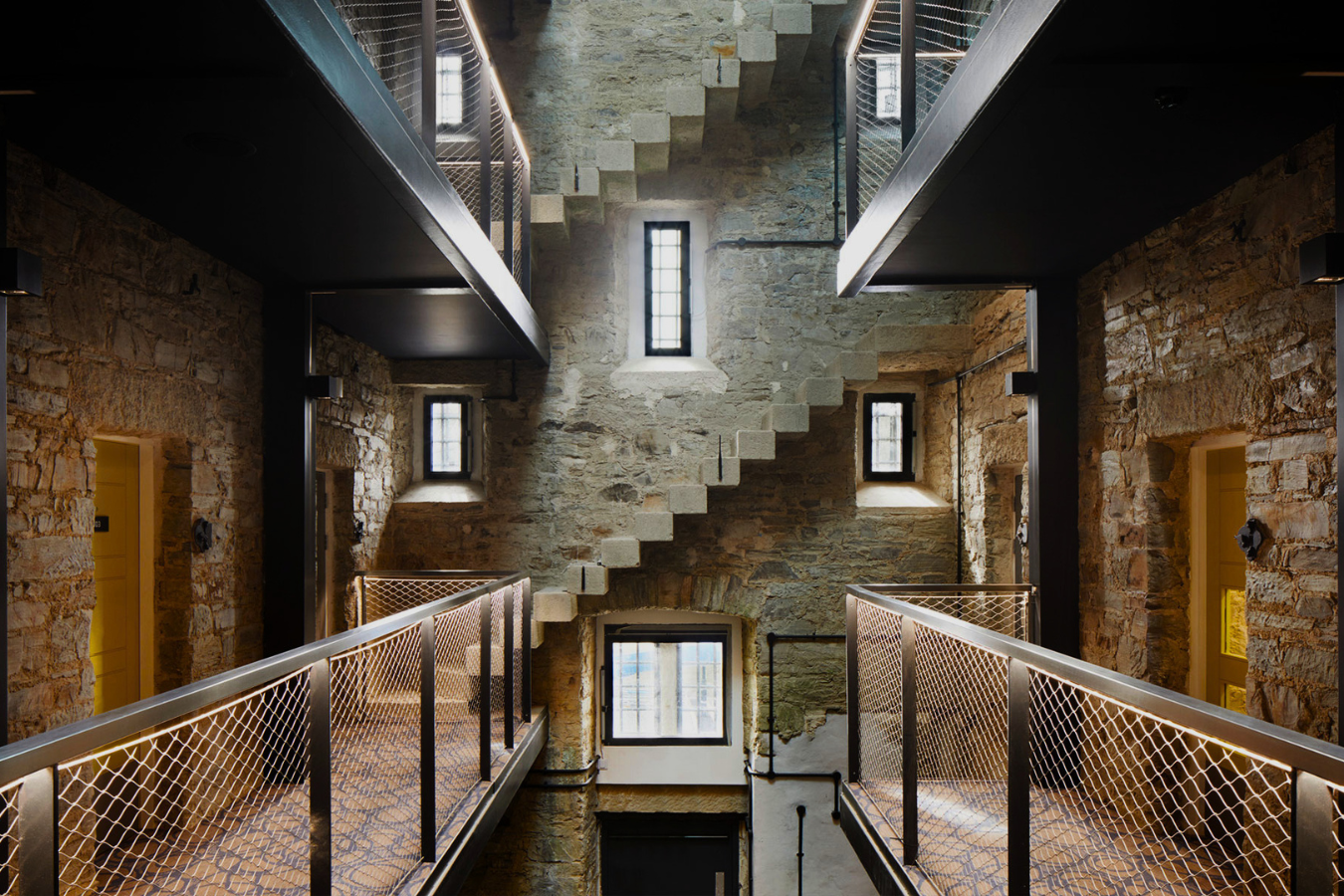
The change of use at The Bodmin Jail Hotel is hard to miss. Guests sleep in rooms once used as cells, then eat in the converted chapel. The eighteenth-century prison retains original features across its 70 bedrooms, so the building’s former purpose is part of the stay from the moment you arrive. The chapel, once part of prison life, now hosts dinner. That shift gives the room a particular charge: the same walls that once contained the routines of an institution now frame an evening chosen by its guests. Close to Bodmin town and within reach of Bodmin Moor, the hotel makes a winter visit to Cornwall as much about the building as the landscape outside. There is plenty to look at before heading out.
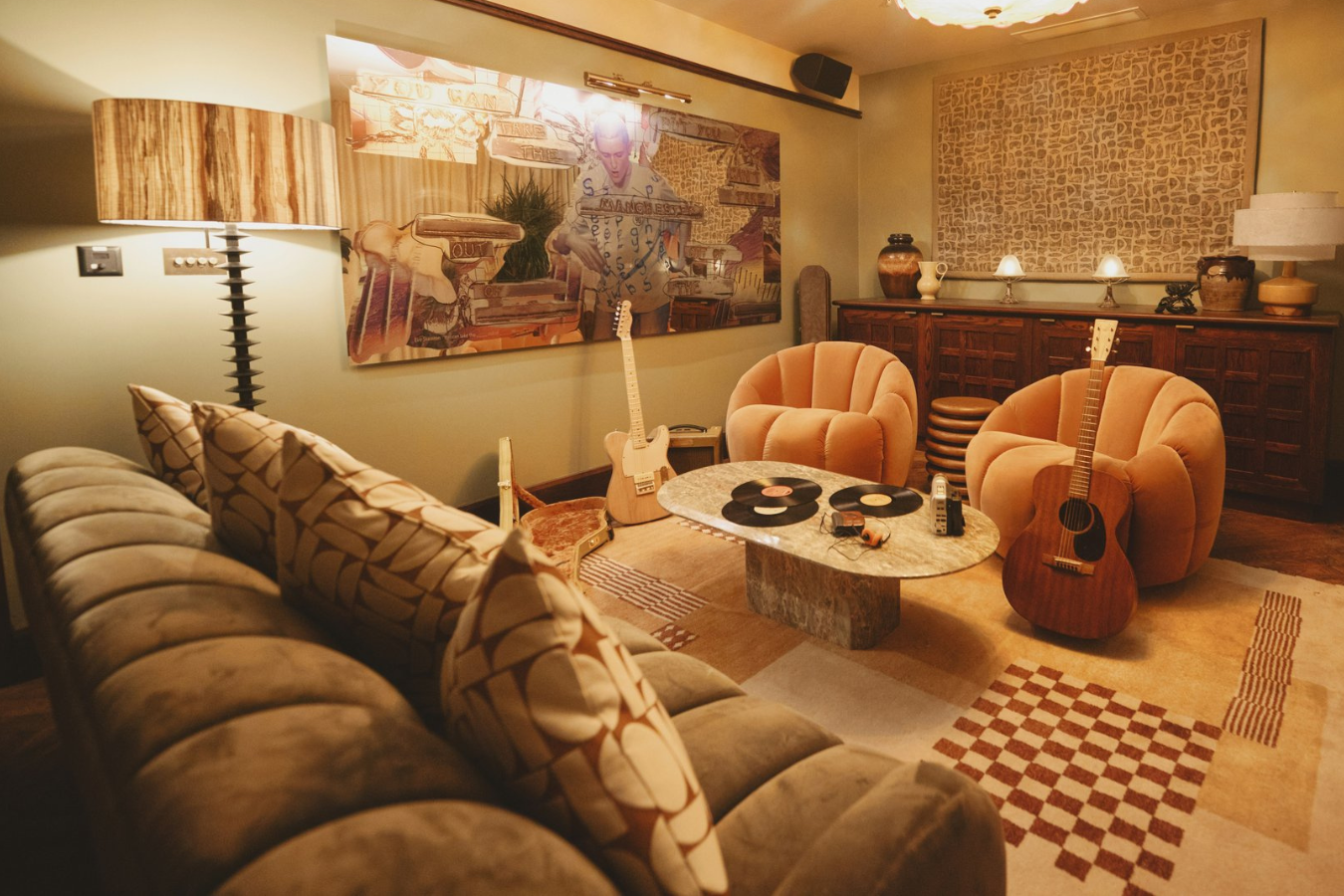
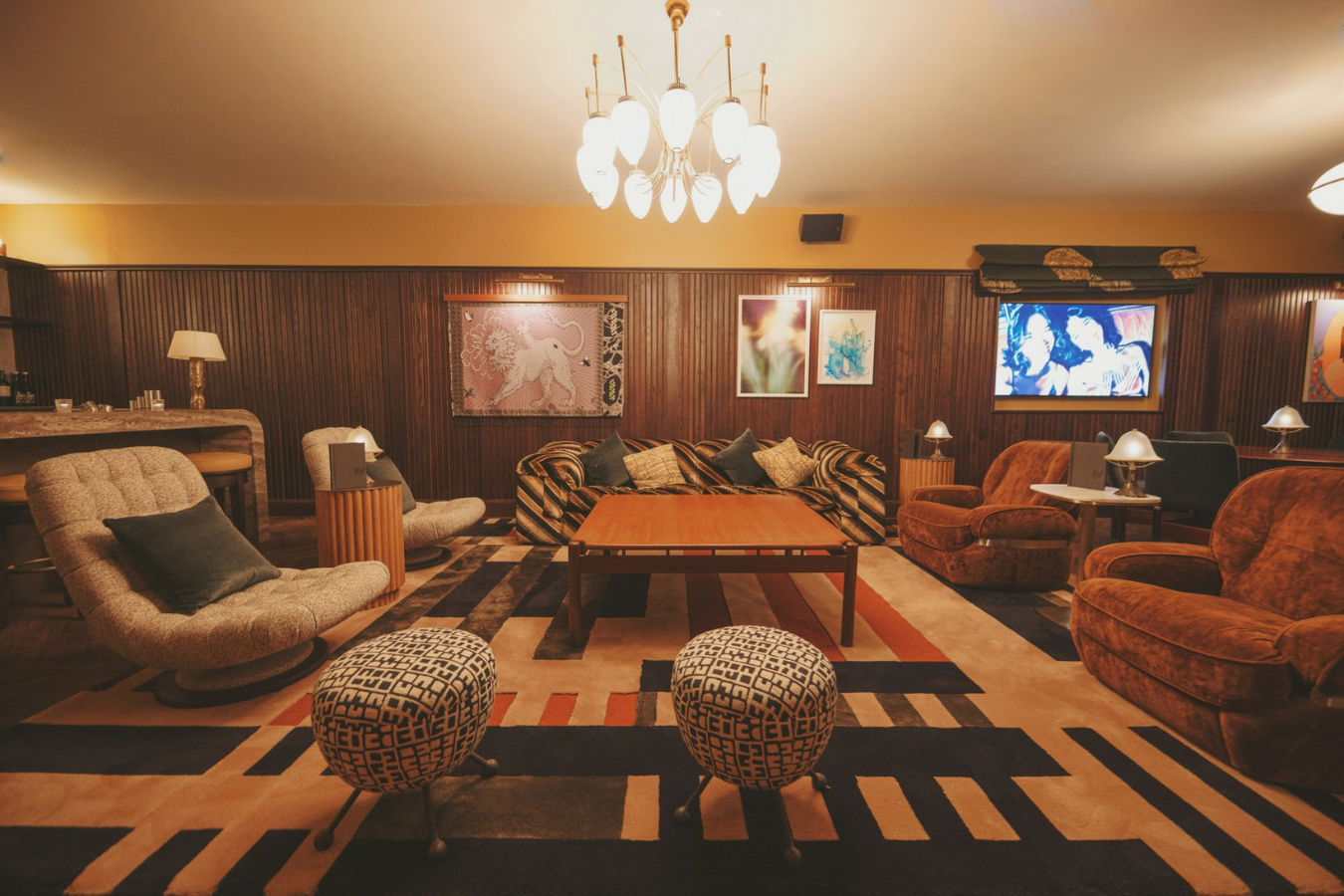
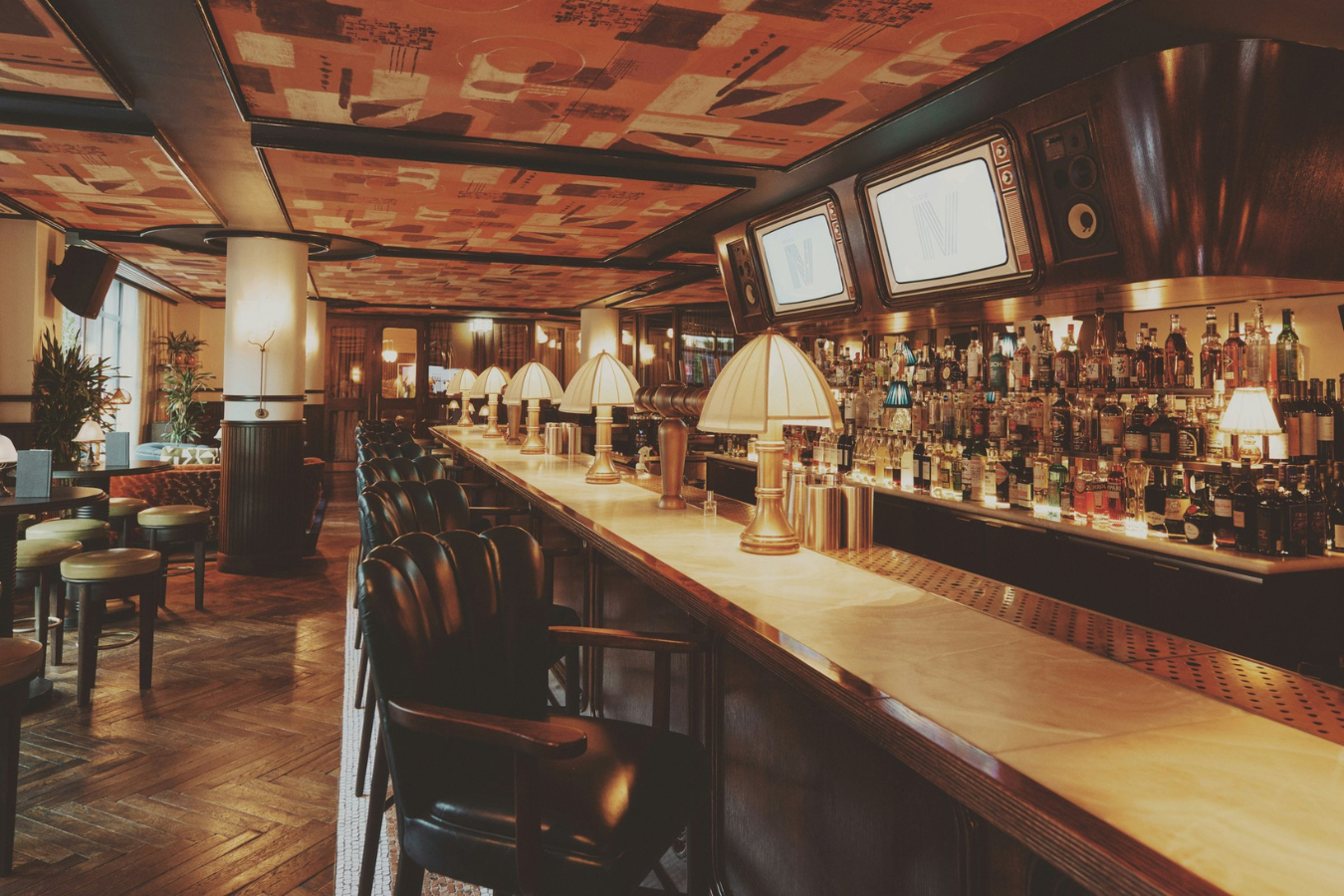
Before it welcomed hotel guests, Mollie’s Manchester was part of the Old Granada Studios. The building’s former identity survives in the name, and in spaces such as the Green Room and VIP Lounge, now used for meetings and private gatherings. The hotel brings a different kind of activity to the site, with 128 rooms, a diner, a cocktail bar and a Library Lounge where guests can work or sit over coffee. Bunk rooms and suites give the accommodation a broader range than a standard city hotel. Deansgate and Spinningfields are within walking distance, yet the building itself gives the stay its particular character. A former centre of television production now brings people together to eat, meet and spend the night in the middle of Manchester.
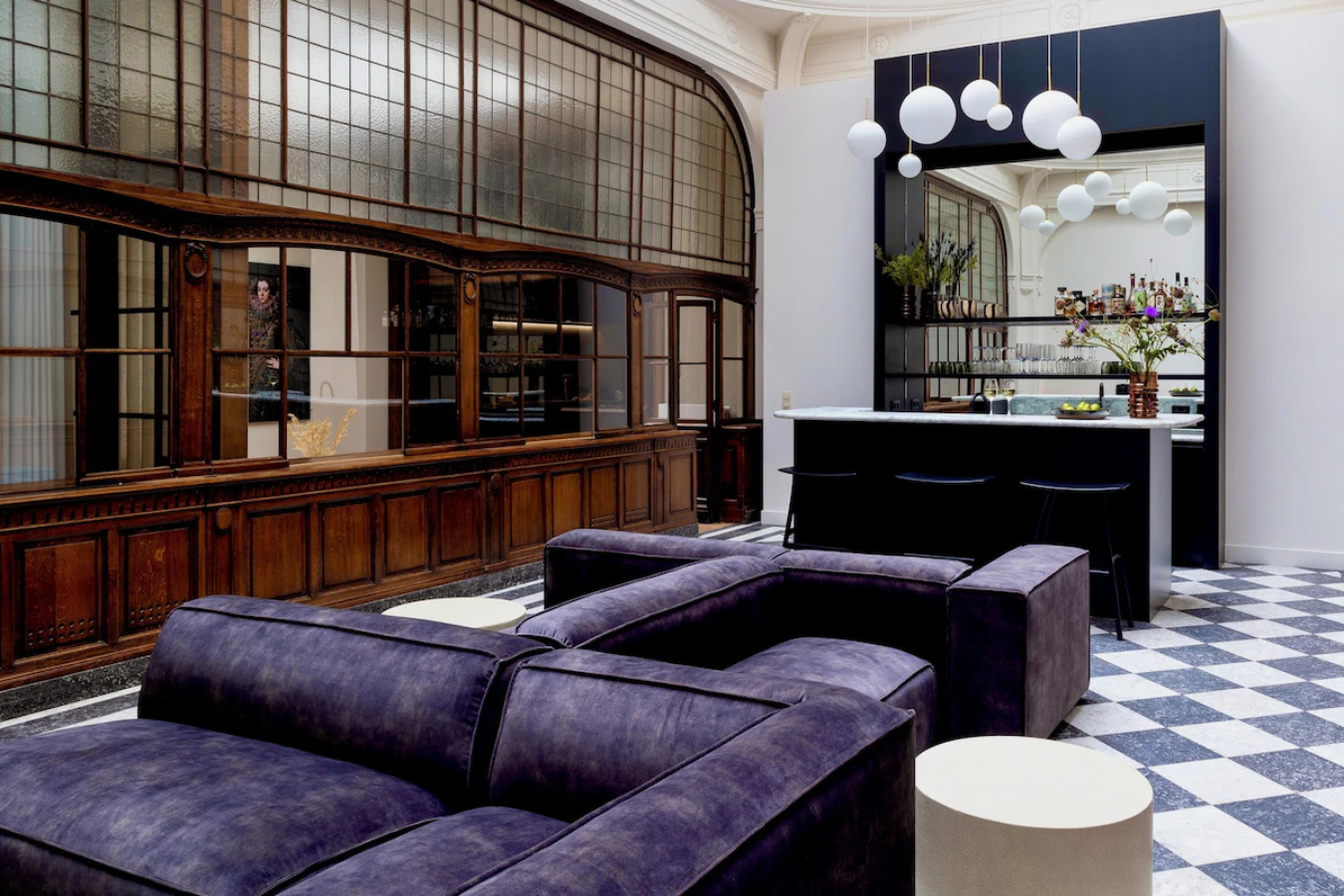
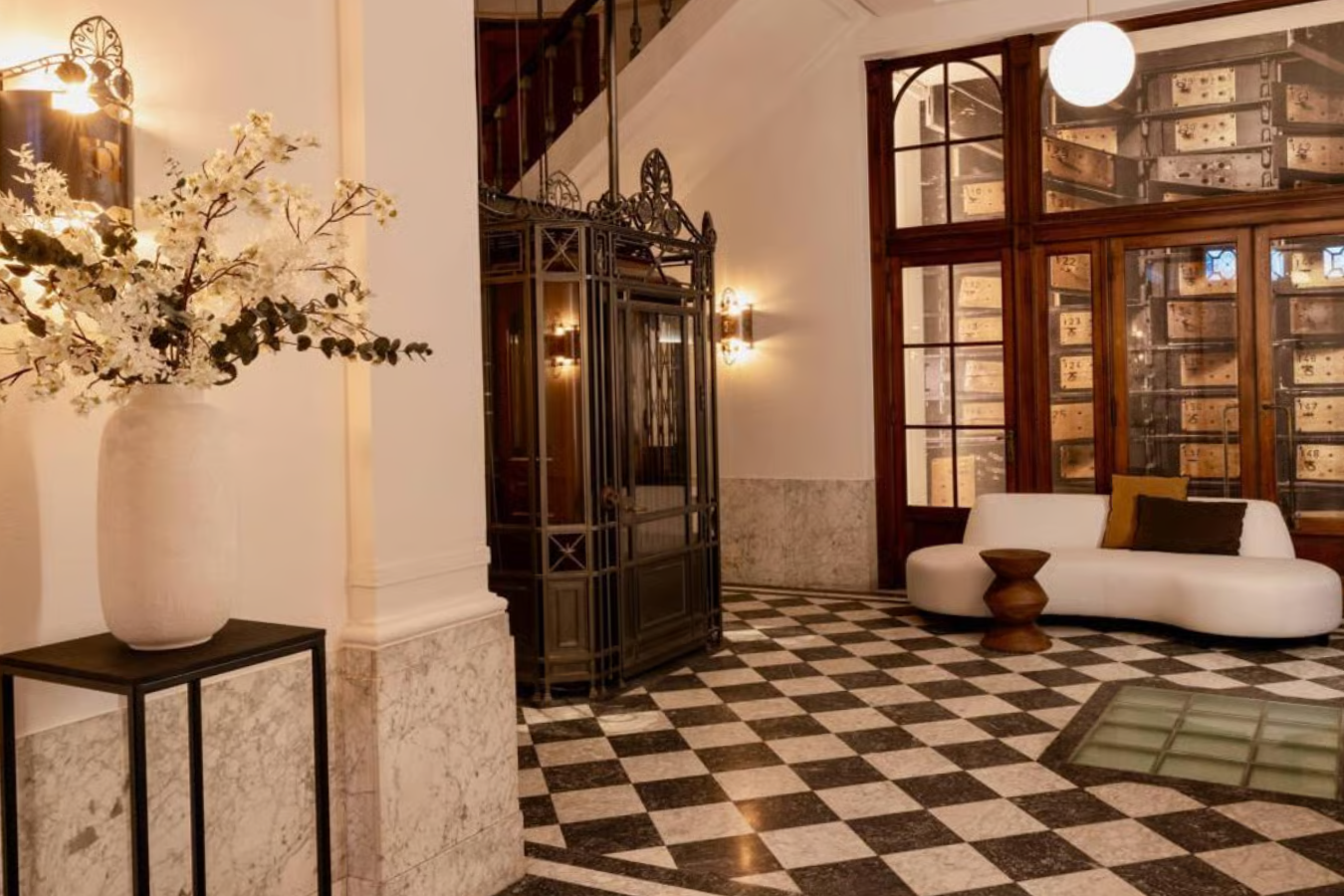
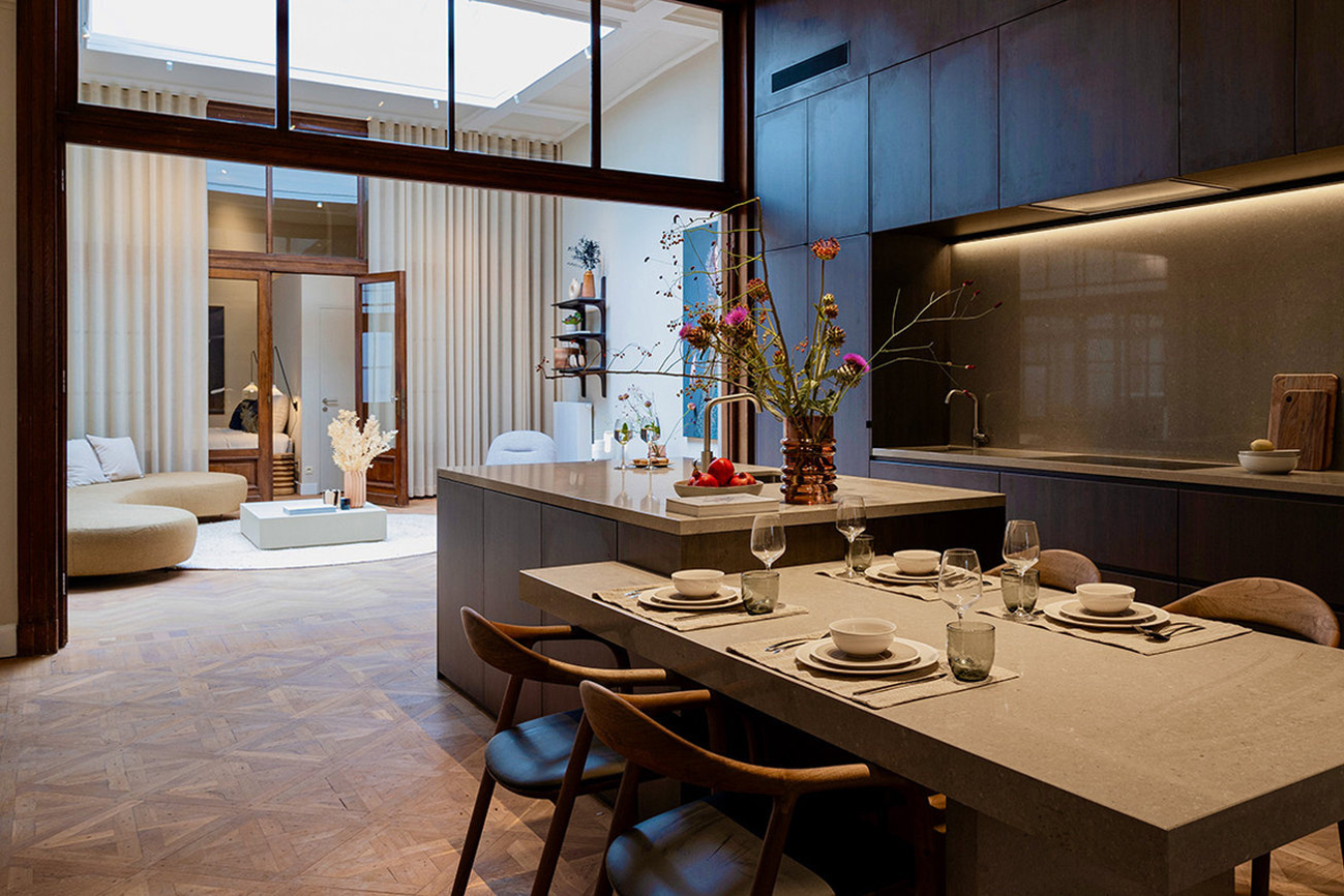
An eighteenth-century palace became a bank; today, De Gulden Poorte is a six-suite hotel in central Antwerp. Its history is written into details worth noticing: sculpted ceilings, marble fireplaces and a rare Art Nouveau lift. Suite names honour prominent banking families, carrying that chapter of the building’s life into its present one. Belgian furniture from Ethnicraft, Serax and BazarBizar brings a contemporary layer, while kitchens make the suites feel lived in. The lift may be the most revealing detail. It still carries guests between floors, doing the work it was built for as the building around it changes purpose. Meir shopping street is close by. Return with your bags, then take a moment to look up before unpacking.
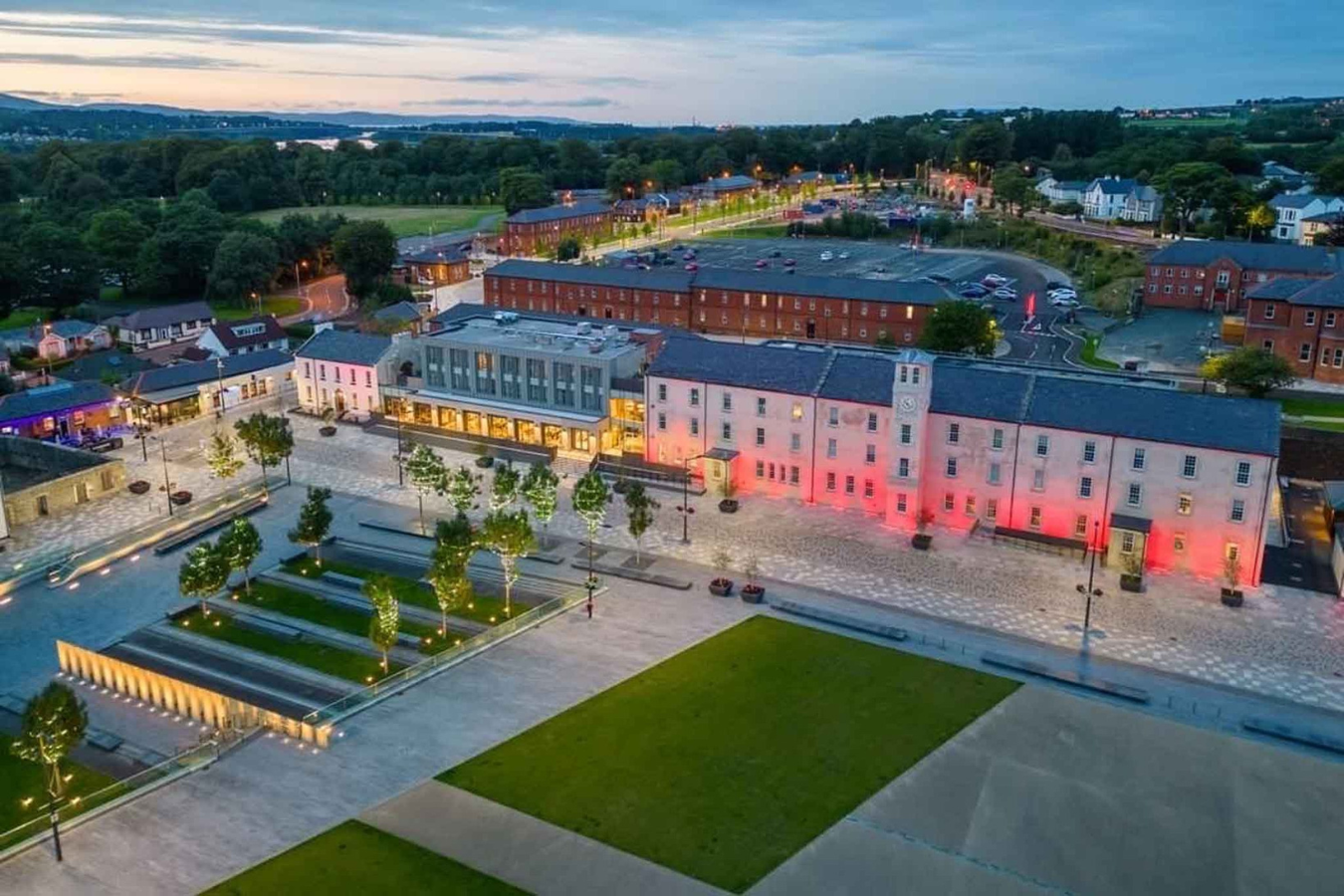
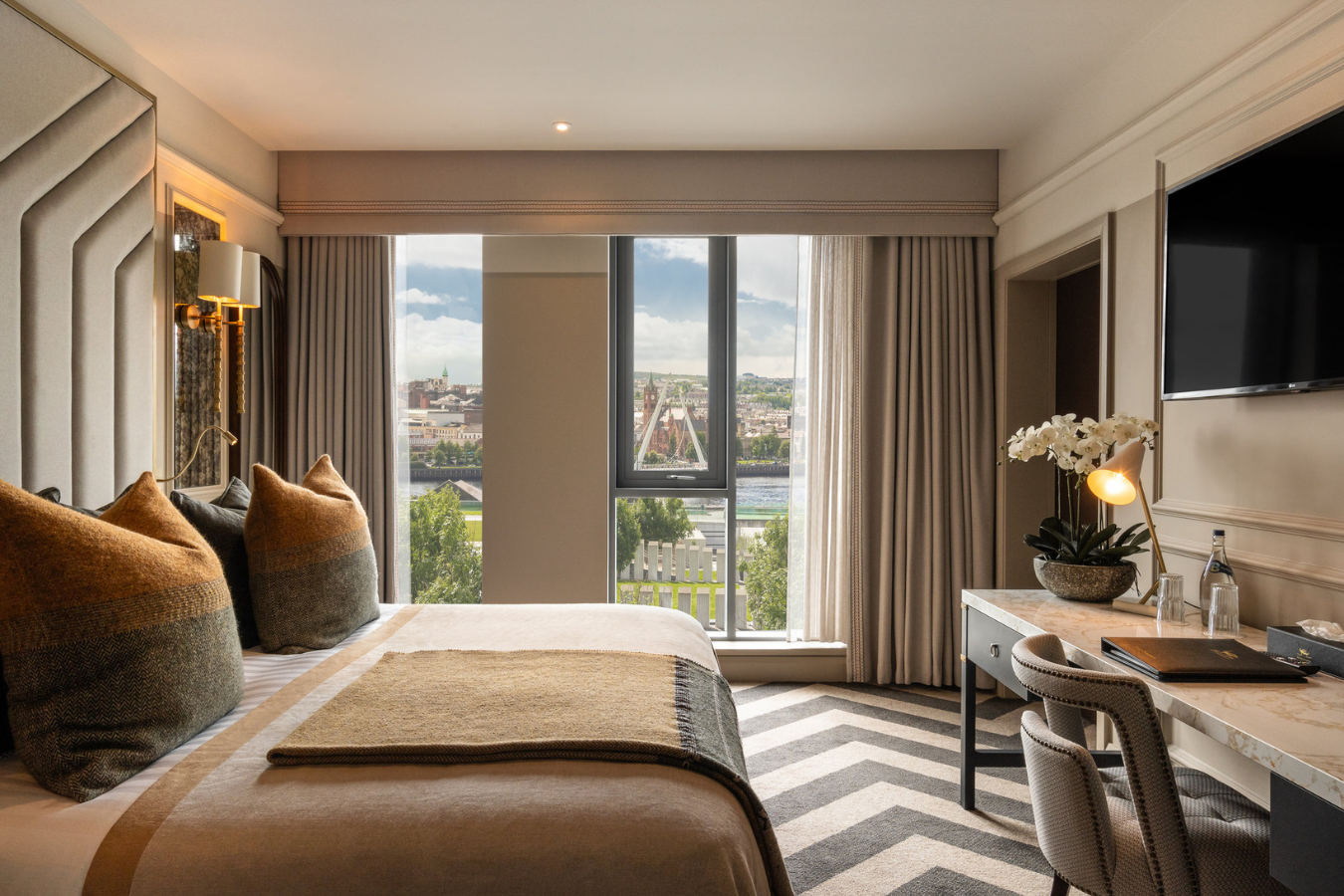
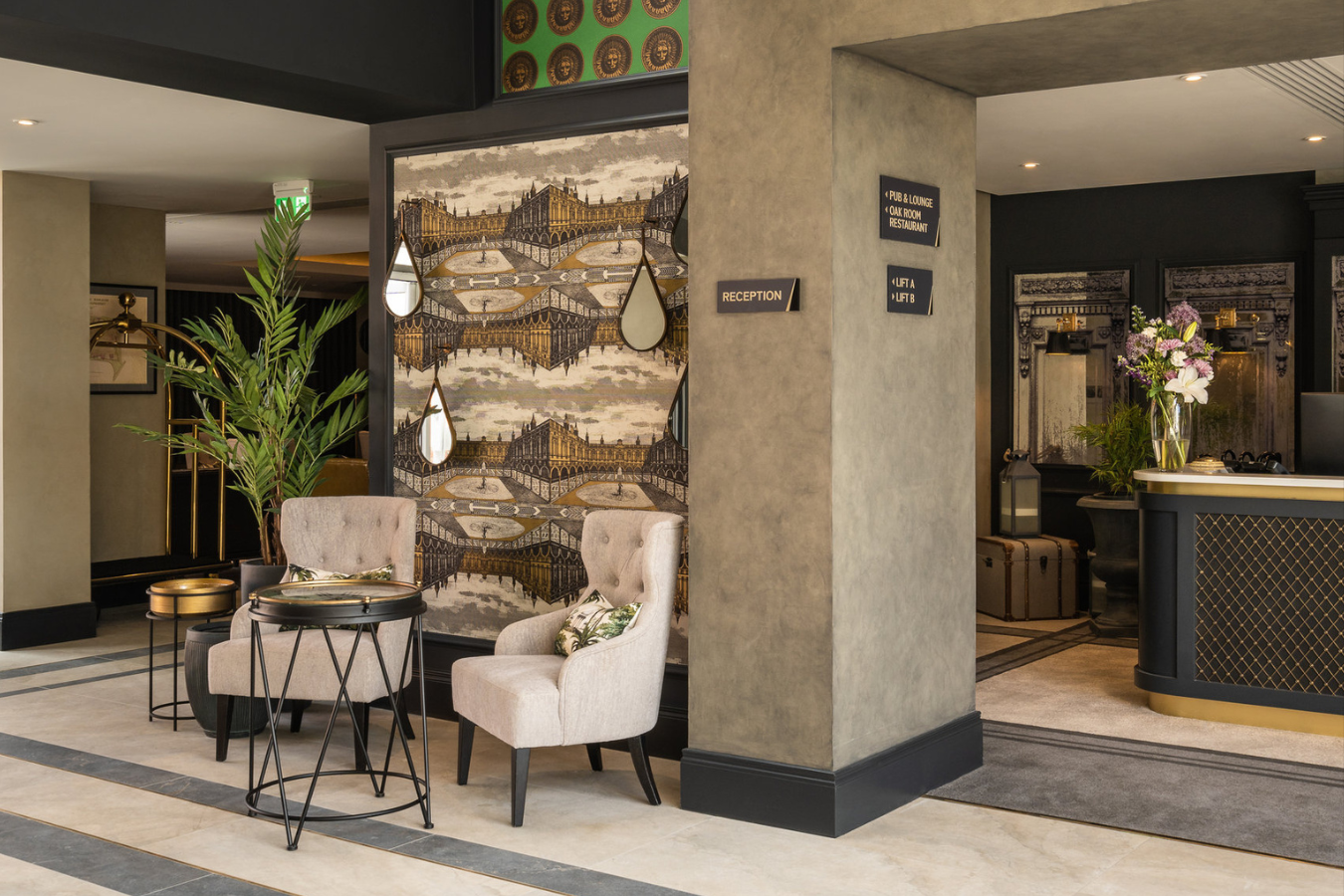
The Ebrington occupies former barracks on Ebrington Square in Derry, in a landmark building dating to 1842. Today, its 89 rooms and suites retain original period features, with views towards the Peace Bridge and the city skyline. The change from military quarters to hotel gives the address a history distinct from a converted home or commercial building. Its position makes that history part of the city around it: Guildhall Square is a five-minute walk across the Peace Bridge. Back inside, guests can dine at the Oak Room or spend the evening in the residents’ Drawing Room, with its private bar and grand piano. The building’s past remains tied to the square; its present life opens onto the wider city.
Each conversion leaves a different kind of evidence. At Bodmin, the old purpose shapes where guests sleep and eat. In Manchester, the former studio’s name remains above the door. Antwerp’s Art Nouveau lift still carries guests between floors, while the Ebrington’s setting connects its barracks history to Derry’s public life. These buildings hold histories too specific to be reduced to “character”. Their past uses survive in details encountered during an ordinary stay. That is the pleasure: a room can offer a comfortable night and still leave you wondering who used it, and what the building was built to do, long before you arrived.


